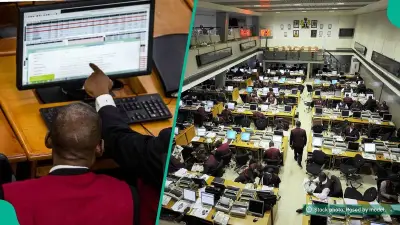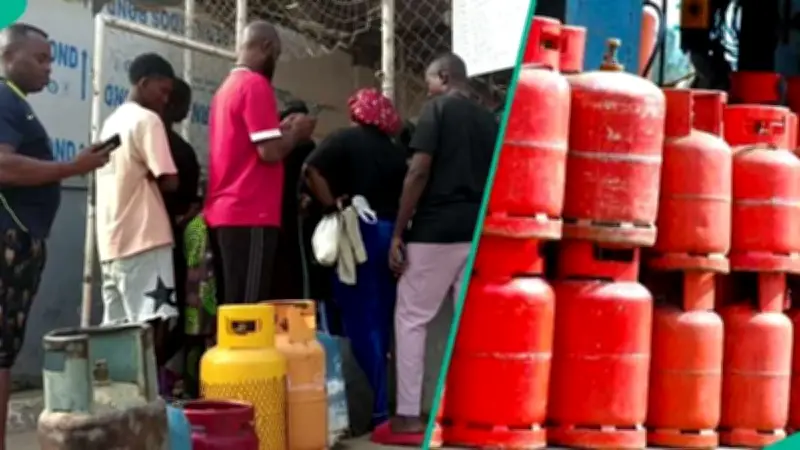
The price of Liquefied Petroleum Gas (LPG), commonly used for cooking in Nigerian homes, has dropped significantly by about 31.8% to N1,500 per kilogramme, offering much-needed relief to households grappling with high living costs. This marks a notable decrease from the recent peak of roughly N2,200 per kilogramme, translating to a reduction of about N700 per kilogramme. The price correction is one of the most significant in recent months, following a prolonged period of increases that forced many families to cut back on usage or seek cheaper, less efficient alternatives.
Industry Engagements Drive Market Stabilisation
According to Edu Inyang, President of the Nigerian Association of Liquefied Petroleum Gas Marketers (NALPGAM), the price relief is largely due to sustained dialogue among stakeholders in the LPG value chain, including regulators and government agencies. He explained that coordinated efforts to address supply constraints and restore market stability have started yielding results. “The consultations have yielded positive results. Product availability has improved and confidence has returned to the market, which has helped bring down prices,” he said. Improved product availability and renewed confidence among market participants were key factors in easing pricing pressures.
Inyang added that if current conditions persist—especially regarding supply flow, foreign exchange stability, and logistics costs—consumers could see further moderation in prices. However, he noted that LPG pricing remains sensitive to global energy trends and operational expenses.
Improved Supply and Government Crackdown on Market Disruptions
Market stakeholders have also indicated increased readiness to boost imports, while additional domestic output from facilities such as the Seplat gas plant is expected to strengthen supply in the coming weeks. These developments are seen as crucial to sustaining the downward trend in prices. Meanwhile, efforts by regulators to improve distribution and remove bottlenecks in the supply chain are beginning to show positive effects. The Federal Government has intensified enforcement actions against hoarding, diversion, and illegal storage of LPG to stabilise the market and ensure consistent availability.
The combined impact of improved supply and regulatory intervention is expected to bring relief to millions of households across the country who continue to grapple with rising energy costs.