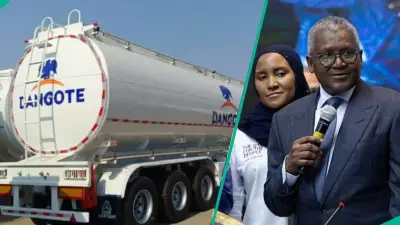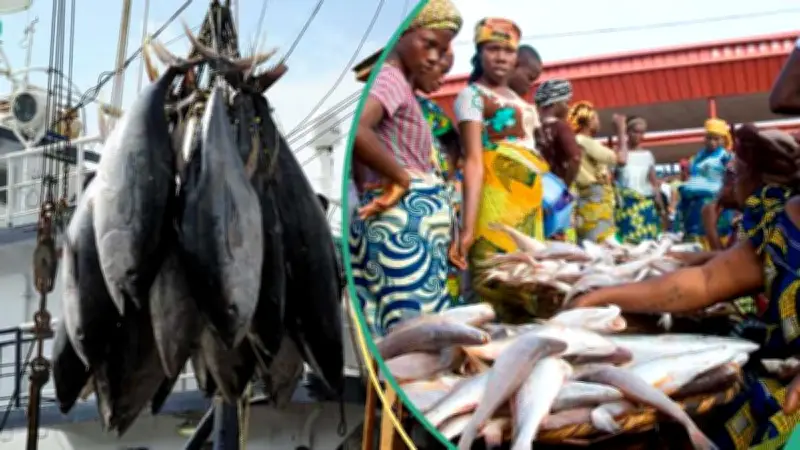
Aliko Dangote, President of the Dangote Group, has disclosed that Nigeria spends approximately $1 billion annually importing fish, even though the country possesses extensive coastlines, inland waterways, and favorable conditions for aquaculture. He made this statement during a keynote address delivered on his behalf by Akin Omole, Managing Director of Dangote Ports Operations, at the Federal Ministry of Marine and Blue Economy's Second Quarter 2026 Citizens and Stakeholders' Engagement in Lagos.
Underutilized Potential of Nigeria's Blue Economy
Dangote lamented that the huge import bill reflects the massive but underutilized potential of Nigeria's blue economy. He stressed that greater investment in fisheries and aquaculture would strengthen local production, improve food security, create jobs, and reduce pressure on the country's foreign exchange reserves. According to him, Nigeria's marine and inland water resources are capable of supporting a thriving fisheries industry, yet the sector remains constrained.
This revelation aligns with earlier reports from Legit.ng, which noted that WorldFish's Country Representative, Dr. Sunil Siriwardena, disclosed that 45% of Nigeria’s fish supply comes from imports, costing the government around $1.2 billion annually. The $1 billion figure cited by Dangote underscores the persistent dependence on foreign fish to meet domestic demand.
Infrastructure and Financing Hurdles
Dangote pointed out several factors limiting the growth of the marine sector, including poor infrastructure, inadequate access to affordable long-term financing, and inconsistent government policies. He argued that addressing these challenges requires stronger collaboration between the public and private sectors, as government resources alone are insufficient to unlock the full economic value of the marine and blue economy.
He emphasized that a stable policy environment and sustained investment would encourage businesses to expand operations across the maritime sector, improve productivity, and increase Nigeria's capacity to meet domestic fish demand through local production. Without these improvements, he warned, the country will continue to rely heavily on imports.
Opportunities for Investment
The business leader identified several areas with strong investment potential, including fisheries and aquaculture, port infrastructure and logistics, maritime manufacturing, shipbuilding, marine technology, renewable energy, and coastal tourism. He urged investors to take advantage of these opportunities, stating that developing globally competitive maritime industries would reduce import dependence, generate employment, stimulate industrial growth, and support Nigeria's economic diversification agenda.
Dangote stated: "The true measure of success will not be the policies we formulate, but the industries we build; not the strategies we publish, but the jobs we create; not the investments we announce, but the prosperity we deliver to millions of Nigerians." He stressed that the ultimate goal should be to translate government policies into tangible economic outcomes that improve the lives of citizens.
Government Initiatives: Blue Economy Television
In a related development, the Nigerian government recently launched Blue Economy Television, Africa’s first channel focused exclusively on the maritime sector. The channel aims to reshape perceptions of Nigerian waterways as vital economic lifelines and job creators, driving awareness and education to unlock opportunities within the country's underexplored marine resources.
This initiative, along with Dangote's call for increased private sector participation, signals a growing recognition of the blue economy's potential to transform Nigeria's economic landscape. However, experts caution that without addressing infrastructure deficits and policy inconsistencies, the sector may continue to underperform.