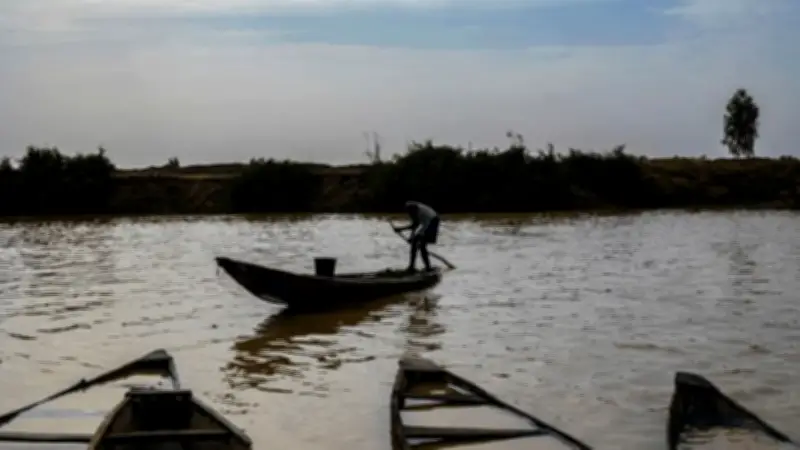
Fishing communities in the coastal areas of Ovia North-East Local Government Area of Edo State have expressed deep concern over the disappearance of fish species from their rivers. They attribute this decline to extractive activities by multinational companies, climate change, and harmful fishing practices.
World Ocean Day event highlights challenges
During an event organized by the Health of Mother Earth Foundation (HOMEF) to mark this year's World Ocean Day in Ekewan community, participants from Gelegele, Inikorogha, Iboro, Ikoro, and Ekewan communities shared their experiences. They noted that many fish species they used to catch 20 to 30 years ago are no longer available, and the few remaining species require fishermen to travel long distances to make catches.
Oil spills and lack of equipment
Obon Gardan from Iboro community lamented that crude oil spills in the river, which have persisted for years, have negatively affected fishing activities. He urged the government to empower fishing communities with fishing nets, engine boats, hooks, and other equipment, similar to free fertilizers provided for farmers.
Need for sustainable fishing practices
Divine Subotie from Inikorogha community acknowledged that some local fishing practices are harmful, compounded by river pollution and climate change. She said the dialogue opened her eyes to the need for allowing fish time to reproduce and mature before returning to the same spot. She pledged to share this knowledge with her community to help restore fish populations.
Calls for government support
Regina Awowo from Gelegele community appreciated HOMEF for organizing the event and urged the government to assist communities through empowerment programs and other support initiatives. Timothy Sibete, Chairman of Ekewan community, described the program as an eye-opener and called on the organization to continue its advocacy for climate justice and public enlightenment.
HOMEF advocates community-driven policies
Stanley Egholo, Project Lead for Fossil Politics at HOMEF and Coordinator of the FishNet Alliance Network, said the event aimed to celebrate artisanal fishers and oppose exploitative activities by multinational oil corporations. He advocated for community-driven government policies, emphasizing that laws governing oceans and water bodies must incorporate grassroots inputs. He also called for an immediate transition from fossil fuel extraction to renewable energy, rejecting false solutions promoted by corporations benefiting from environmental degradation.