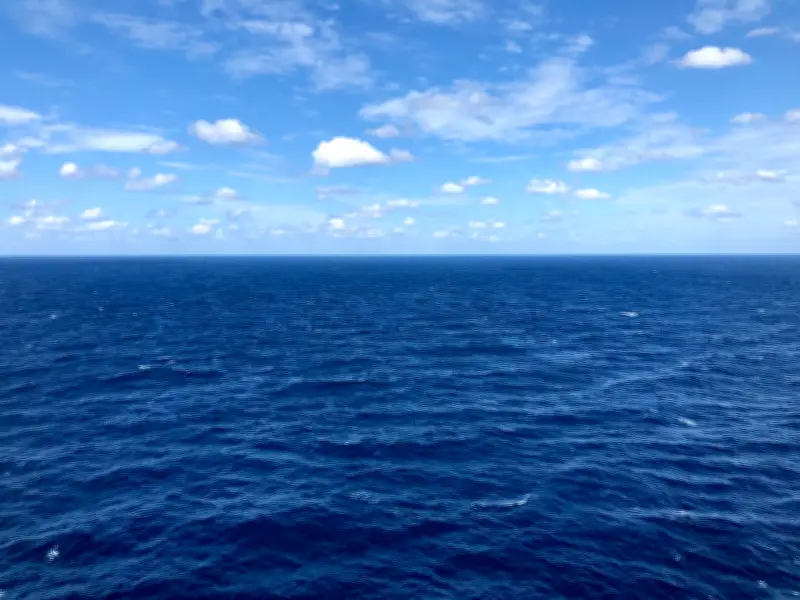
West Africa's oceans, particularly off the coasts of Ghana, Nigeria, Benin, Togo, and Cote d'Ivoire, rank among the most productive globally. They sustain over 100 million people through food, employment, and cultural identity. In Ghana, fish provide about 60% of the population's protein intake. However, this vital resource faces mounting threats. West Africa has emerged as a global hotspot for illegal, unreported, and unregulated (IUU) fishing. Weak oversight and poor enforcement have turned parts of these waters into what some call a 'poachers' paradise,' where foreign industrial fleets exploit marine resources with little accountability.
Consequences of Illegal Fishing
The impacts are staggering. Illegal fishing depletes fish populations, undermines conservation, distorts markets, and deprives coastal communities of nutrition and income. In some areas, illegal fishing accounts for a significant share of total catch, potentially costing coastal economies billions of dollars annually. Complex ownership structures obscure who benefits from this overfishing, but it is clear who does not: the African communities whose waters are plundered.
Much of the pressure on West Africa's fisheries comes from foreign-owned industrial fleets. The flag displayed on a vessel rarely tells the full story; ultimate beneficiaries often lie far beyond the region. Industrial vessels linked to European, Chinese, Russian, and Turkish companies have been associated with unsustainable and destructive practices. These bad actors deplete key fish populations and steal resources from artisanal fishers and their families.
Fishmeal Demand Exacerbates the Problem
A clear example is the growing demand for fishmeal and fish oil. Small pelagic fish like sardinella, anchovies, and mackerel are affordable protein sources for West African families. Yet, they are increasingly diverted from local food systems to produce feed for industrial aquaculture. In 2020 alone, up to 144,000 tons of small pelagic fish from West Africa were used for Norwegian salmon farming. That volume could have provided between 2.5 million and 4 million people in the region with a year's supply of fish meeting their nutritional needs.
The effects extend beyond the water. When fishers return with empty nets, local economies unravel. Declining catches reduce income and food access for vulnerable small-scale fishers, processors, and traders. As fish populations decline, people seek opportunities elsewhere, driving forced migration to Europe along one of the world's deadliest routes. In 2023, over 3,000 people died attempting this journey. Behind these numbers are communities pushed to the brink when the ocean can no longer sustain them.
Opportunity for Leadership at Our Ocean Conference
The upcoming Our Ocean Conference, the first on African soil, offers a critical opportunity. African governments must manage marine resources to prioritize their people. Artisanal fishers should have priority access to waters they have depended on for generations. Governments must strengthen enforcement to curb illegal fishing, improve transparency in vessel ownership, and ensure fisheries policies serve local communities rather than foreign industrial interests.
There are encouraging signs of progress. Countries across West Africa show growing commitment to transparency. Ghana, Liberia, and Sierra Leone are working with the Fisheries Transparency Initiative. Ghana and Liberia have endorsed the Global Charter for Fisheries Transparency. Ghana has taken steps to protect nearshore waters for artisanal fishers. The updated Fisheries and Aquaculture Act expands the Inshore Exclusion Zone from 6 to 12 nautical miles, prohibiting industrial and destructive fishing. Ghana also established its first marine protected area at Cape Three Points.
This progress is encouraging, but more is needed. With stronger leadership, greater transparency, and meaningful accountability, governments can reverse current trends, rebuild fish stocks, restore livelihoods, and ensure waters nourish future generations. West Africa's oceans must sustain the people who depend on them, not fuel a system that leaves them behind.
About the Author: Sonia Kwami is Vice President of Oceana in Ghana. She is an experienced campaigner and development leader with over 22 years advancing social, economic, environmental, and climate justice. Based in Ghana, she has led campaigns across Africa and globally on climate justice, gender justice, education, health, and poverty eradication. She has worked with advocacy networks in over 60 countries, focusing on the Global South, with expertise in strategic leadership, advocacy, partnerships, and program management.