Lagos State Government Apologizes for Waste Collection Delays
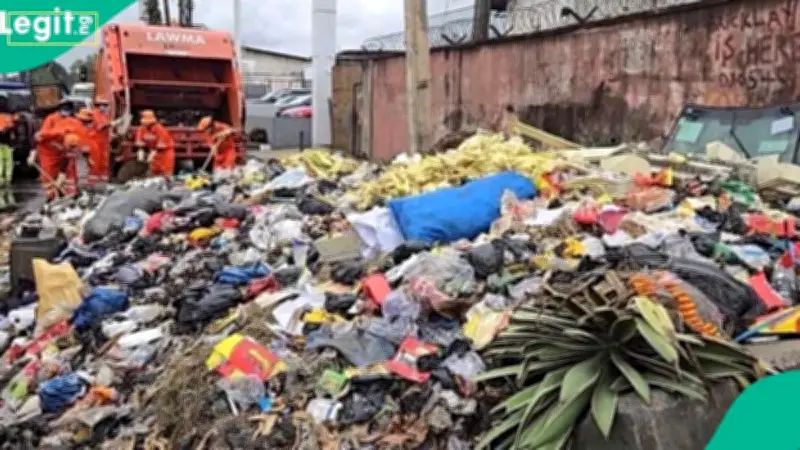
The Lagos State Government has publicly acknowledged significant failures in waste evacuation across major parts of the state, issuing an apology to residents for the recent sanitation challenges caused by delayed refuse collection. Commissioner for Environment and Water Resources, Tokunbo Wahab, admitted during an appearance on Arise TV's The Morning Show that waste management had faced serious difficulties in recent months, following widespread complaints about heaps of refuse on roads and drainage channels.
“Let me start by apologising to Lagosians. The past three, four months have been very bad with respect to waste collection, but we didn’t just get there overnight. I won’t play the ostrich by not admitting we had a challenge. Are we fixing it? Yes,” Wahab said.
Shift from Linear to Circular Waste Economy
Wahab explained that Lagos can no longer rely on the traditional linear system of collecting waste and dumping it at landfill sites, as population growth has made this approach unsustainable. “For decades, we had practised a linear waste system. We just pick waste and we dump. Olusosun and Solous were the outskirts of Lagos. We all went to build around them,” he noted.
The state is now moving toward a circular waste economy, where refuse is converted into useful resources rather than simply discarded. This shift aims to address both environmental and health concerns associated with overflowing landfills.
Investments in Waste-to-Energy Projects
To improve sanitation and sustainability, the Lagos government is investing in waste-to-energy projects. Wahab revealed that facilities designed to convert organic waste into energy are under development, including a larger project capable of processing approximately 4,250 tonnes of waste daily. These initiatives align with Governor Babajide Sanwo-Olu’s directive for continuous waste evacuation across the state to clear affected areas and restore environmental cleanliness.
The commissioner emphasized that these investments are critical for managing the state’s growing waste output and reducing reliance on landfills. The circular economy approach is expected to create economic opportunities while improving public health and urban aesthetics.