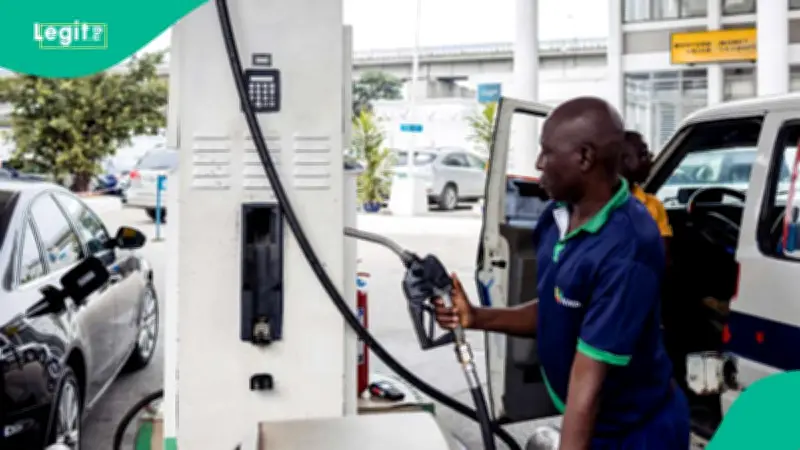
Nigeria, despite being one of Africa's largest oil producers, has failed to make the global list of countries with the cheapest petrol, according to the latest data released by GlobalPetrolPrices.com. The report highlights how government subsidies, strong refining capacity, and state-controlled pricing keep fuel costs low in several oil-producing nations, while Nigeria grapples with fluctuating petrol prices following the deregulation of its downstream oil sector.
Libya Leads Global Rankings
Libya tops the global rankings with petrol selling at just $0.024 per litre, supported by one of the world's most generous fuel subsidy programmes. Although Libya produces crude oil in large quantities, it still imports a significant share of its refined petroleum products and sells them domestically at heavily subsidised prices funded by oil export earnings. According to a report by PetroleumPriceNG, Libya has an installed refining capacity of about 380,000 barrels per day, but operational disruptions have reduced actual production significantly. Authorities are investing in expanding refining capacity to reduce dependence on imports in the coming years.
Iran and Venezuela Follow
Iran ranks second with petrol priced at $0.029 per litre, supported by a government-controlled subsidy programme that allocates discounted fuel to motorists every month. Iran also benefits from a robust refining industry capable of processing most of its crude oil domestically despite years of international sanctions. Venezuela occupies third place at $0.035 per litre, but its refining sector has struggled with years of underinvestment, sanctions, and operational challenges, forcing it to import refined products to meet domestic demand.
African Nations Feature Prominently
Africa has a strong presence on the list. Angola ranks fourth, with petrol costing $0.327 per litre, although the government has begun gradually removing subsidies as part of broader economic reforms. New refinery projects are expected to reduce dependence on imports and improve local fuel production. Algeria follows with petrol selling for $0.35 per litre, maintaining one of Africa's longest-running fuel subsidy programmes through extensive government support for its national oil company. Egypt also makes the top 10 despite implementing years of subsidy reforms under an economic restructuring programme; petrol remains relatively affordable due to continued government intervention and strong domestic refining capacity.
Middle East Oil Giants Keep Prices Low
Oil-rich Gulf nations continue to enjoy relatively low fuel prices. Kuwait, Qatar, and Saudi Arabia all feature in the rankings, relying on abundant crude oil production, sophisticated refining infrastructure, and carefully managed pricing systems to keep petrol affordable. Rather than relying entirely on subsidies, these countries increasingly use controlled pricing mechanisms that balance consumer welfare with long-term fiscal sustainability.
Why Petrol Is Cheaper in These Countries
The report indicates that cheap petrol is no longer determined solely by crude oil production. Countries with the lowest pump prices typically share several key characteristics: heavy government subsidies funded by oil revenues, large domestic refining capacity, state-controlled fuel pricing systems, strong energy security policies, and limited exposure to global oil price fluctuations. Meanwhile, countries such as Egypt and Angola are gradually reducing fuel subsidies to ease pressure on public finances, signalling a broader shift towards market-based pricing.
For Nigeria, the absence from the list underscores the realities of its post-subsidy fuel market, where petrol prices are increasingly influenced by international crude oil prices, exchange rate movements, and supply chain costs, despite the country's status as one of Africa's largest oil producers.
Nigerians Still Paying N1,200 for Petrol
Legit.ng earlier reported that high petrol prices in Nigeria have persisted even as global crude oil costs plummeted to around $73 per barrel following a peace deal between the US and Iran. Many motorists remain frustrated by the unchanged pump prices, questioning why they are not seeing expected relief at fuel stations.