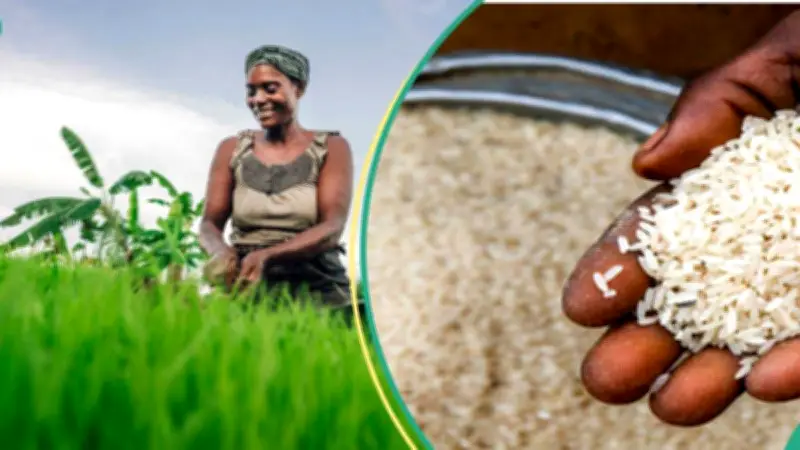
The cost of cultivating one hectare of rice in Nigeria has risen to between N2.2 million and N2.3 million, with fertiliser accounting for about 35% of the expenses, according to a statement from the Presidential Food Systems Coordinating Unit (PFSCU). The disclosure came during a technical consultation on Nigeria’s rice value chain held on Tuesday, September 23, 2026, organised by the PFSCU.
Stakeholders Meet to Address Rising Production Costs
The meeting brought together government agencies, rice-producing states, farmers, processors, millers and industry associations to examine the rising cost of production, rice prices, stocks, trade, financing and investment in the sector. Participants identified high production expenses as one of the biggest challenges threatening the competitiveness of Nigeria’s rice industry.
According to a statement signed by Marion Moon, executive secretary of the PFSCU, the cost of cultivating a hectare of rice currently stands between N2.2 million and N2.3 million. Fertiliser accounts for approximately 35% of the total production cost, making it one of the biggest expenses confronting rice farmers.
“Rice production costs [was] reported at about N2.2–N2.3 million per hectare and fertiliser accounting for approximately 35 percent of production costs,” the statement said.
High Costs Threaten Competitiveness and Prices
Stakeholders also identified high energy and irrigation costs, limited access to long-term financing, post-harvest losses and inadequate storage as major problems affecting the rice value chain. The high cost of production could also affect the price of locally produced rice as farmers and processors struggle to absorb rising input and operational expenses.
To tackle the challenges, participants called for increased investment in irrigation infrastructure, including solar-powered water systems, to support year-round rice production. They also advocated stronger financing and refinancing options for viable rice mills and processors, alongside greater investment in storage and aggregation facilities.
According to the stakeholders, reducing production and logistics costs will be critical to improving the competitiveness of Nigerian rice and encouraging further investment in the industry. They also called for more predictable government decisions on trade and imports, arguing that such policies should take domestic rice production cycles into account.
RIFAN Backs Stronger Coordination
Mohammed Auwalu, vice-president of the Rice Farmers Association of Nigeria (RIFAN), welcomed the consultation, saying closer coordination among farmers, processors, state governments and federal authorities would strengthen the industry.
The stakeholders also raised concerns over persistent price differences between locally produced and imported rice. They said the gap could create incentives for rice smuggling, making it necessary for the government to pursue trade and import policies that balance consumer needs with the interests of local producers.
Lagos Trains Millers on Fortified Rice Production
Meanwhile, Legit.ng earlier reported that the Lagos state government has started training rice millers and regulatory agencies on fortified rice production to improve nutrition and expand the state’s rice industry. The global fortified rice market is expected to grow to $38.4 billion by 2035, while Nigeria’s rice consumption is projected to reach 8.6 million tonnes in 2025/26.
Lagos is promoting Eko Fortified Rice as part of efforts to increase access to nutritious rice and strengthen the local rice value chain. The high production costs and ongoing initiatives underscore the need for sustained investment and policy coordination to stabilise rice prices and enhance local production capacity in Nigeria.