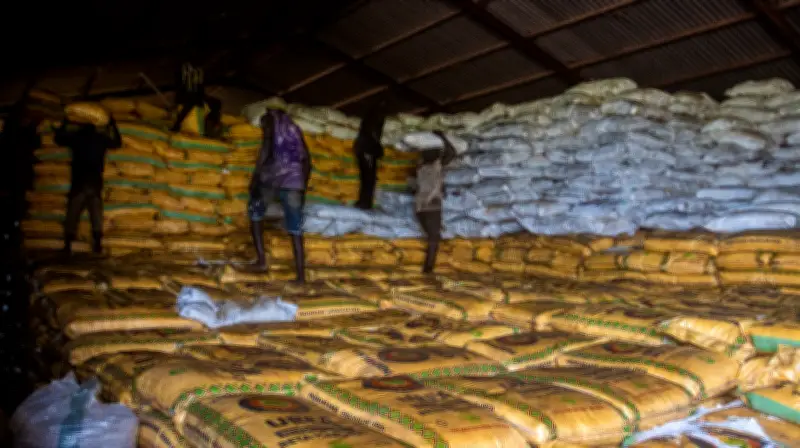
Nigeria has secured sufficient fertiliser supplies for the 2026 wet farming season, avoiding potential shortages linked to global supply chain disruptions from renewed Middle East tensions. PFI NPK Limited, a wholly owned subsidiary of the Ministry of Finance Incorporated (MOFI) and the implementation vehicle for the Presidential Fertiliser Initiative (PFI), announced the achievement in a statement on Friday.
Early procurement strategy yields N61.58 billion savings
The company said an early procurement strategy enabled it to secure critical fertiliser raw materials months before geopolitical tensions triggered fresh increases in global prices and heightened supply uncertainties. This decision generated estimated savings of N61.58 billion by locking in supplies before international market prices surged.
According to procurement and shipment records for the first quarter of 2026, PFI NPK secured nine vessels carrying a combined 407,304 metric tonnes of fertiliser raw materials. Combined with opening inventory, the company has made 534,219 metric tonnes of raw materials available for domestic NPK fertiliser production. The records showed that all associated Letters of Credit had been fully established or settled, ensuring uninterrupted supply.
Background: Nigeria's fertiliser procurement challenges
Nigeria has long faced challenges in fertiliser procurement due to rising raw material costs, supply chain bottlenecks and product diversion. These challenges have often limited access to fertiliser for smallholder farmers, who account for a significant share of domestic food production.
To address the problem, the administration of former President Muhammadu Buhari entered strategic partnerships with Morocco in 2016 and Russia in 2019 under the Presidential Fertiliser Initiative, then managed by the Nigeria Sovereign Investment Authority (NSIA). The initiative began with a Memorandum of Understanding aimed at reviving dormant fertiliser blending plants and facilitating the importation of discounted phosphate from Morocco.
In 2021, the partnership expanded into a $1.3 billion basic chemicals platform designed to support local production of ammonia and fertilisers. The arrangement increased the supply of raw materials to blending plants, boosted domestic production capacity and reduced fertiliser costs. However, challenges such as diversion and sabotage within parts of the value chain continued to limit access for farmers.
Experts have linked inadequate fertiliser availability to declining agricultural yields, rising food prices and worsening food insecurity. Nigeria's food system has come under increasing pressure in recent years due to recurrent flooding, insecurity in farming communities, rising transportation costs following fuel subsidy removal and other structural challenges. According to the United Nations World Food Programme (WFP), about 35 million Nigerians are projected to experience acute food insecurity during the 2026 lean season.
Millions of bags distributed ahead of planting season
PFI NPK said that by mid-April, more than 323,109 metric tonnes of raw materials—equivalent to about 6.5 million 50kg bags of fertiliser—had been released to registered blending plants across the country. Of this volume, approximately 198,264 metric tonnes, representing nearly four million 50kg bags, had already been offtaken by blending plants, indicating active distribution ahead of peak planting activities.
The company supplies raw materials to 94 blending plants registered with the Fertiliser Producers and Suppliers Association of Nigeria (FEPSAN). Unlike importers of finished fertiliser, PFI NPK operates a centralised procurement model that imports raw materials for local blending, a system it said promotes domestic manufacturing and value addition.
N61.6 billion savings detailed
PFI NPK attributed the savings to its decision to secure supplies before the latest spike in international fertiliser prices. According to financial records reviewed by the company, the procurement strategy generated savings of approximately $43.99 million, equivalent to about N61.58 billion, compared with prevailing spot market prices.
A breakdown of the figures showed that Granular Ammonium Sulphate (GAS) was purchased at $228 per metric tonne, significantly below the current market price of $343 per tonne. Similarly, Diammonium Phosphate (DAP) was secured at $775 per tonne against a current market rate of $950, while Muriate of Potash (MOP) was acquired at $400 per tonne compared with the prevailing price of $430.
Shielding farmers from external shocks
The Director of PFI NPK Limited, Armstrong Ume Takang, said the company deliberately moved ahead of anticipated market pressures to protect Nigeria's agricultural sector. “We took a deliberate decision to move early, well ahead of market pressures, by securing supply, locking in pricing, and putting the necessary financial instruments in place. That foresight is what has ensured that Nigeria is not exposed to the disruptions currently affecting global fertiliser markets,” he said.
Mr Takang noted that fertiliser availability and affordability remain critical to agricultural productivity and food security, particularly as rising input costs threaten farming activities in several countries. “What matters is that the farmer can access fertiliser when needed and at a price that does not undermine production. By stabilising supply and managing cost exposure at the procurement stage, we are supporting that outcome at scale,” he added.
Outlook for 2026 and beyond
PFI NPK said it delivered 648,000 metric tonnes of raw materials in 2025 and is targeting a significant increase to 1.52 million metric tonnes in 2026. The company added that its operations are supported by a governance framework that includes independent warehouse oversight by Collateral Management Agents, standard operating procedures developed with FEPSAN, and regulatory compliance measures involving the National Agency for Food and Drug Administration and Control (NAFDAC) and the Standards Organisation of Nigeria (SON). It also noted that the Office of the National Security Adviser (ONSA) continues to support the programme's nationwide operations.
Looking ahead, PFI NPK said it is pursuing government-to-government partnerships with international suppliers and developing a digital enterprise system that will provide real-time monitoring of procurement, inventory and distribution activities. According to the company, these measures are designed to strengthen long-term supply security and ensure farmers maintain access to fertiliser despite uncertainties in global markets.