
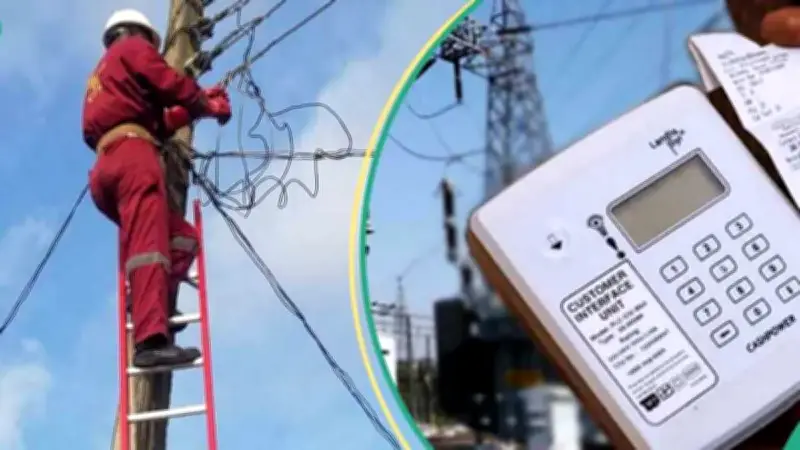
Nigeria's 11 electricity distribution companies (DisCos) generated N801.16 billion in revenue from electricity consumers between January and April 2026, even as millions of Nigerians faced prolonged blackouts and erratic power supply. According to figures from the Nigerian Electricity Regulatory Commission (NERC), the DisCos billed customers a combined N1.01 trillion during the period but recovered only N801.16 billion, leaving N207.77 billion in unpaid bills.
Monthly Collection Breakdown
Monthly collections stood at N204.74 billion in January, N196.68 billion in February, N196.13 billion in March, and N203.61 billion in April. In January, customers were billed N268.20 billion, with N63.46 billion unpaid. Billing efficiency was 79.72 percent, while collection efficiency stood at 76.34 percent. February saw total billings decline to N242.29 billion, with N45.61 billion outstanding; billing efficiency improved to 87.44 percent, and collection efficiency rose to 81.17 percent. In March, DisCos billed N246.43 billion but recovered N196.13 billion, leaving N50.30 billion unpaid, with billing and collection efficiencies at 83.89 percent and 79.59 percent, respectively. By April, billings increased to N252.43 billion, collections reached N203.61 billion, and N48.82 billion remained outstanding, with collection efficiency at 80.66 percent.
DisCo Performance Variations
The regulator noted that a considerable portion of electricity supplied was never billed due to inadequate metering, commercial losses, and operational inefficiencies. Among the DisCos, Eko Electricity Distribution Company posted a recovery efficiency of 102.09 percent in April. Port Harcourt, Abuja, Ikeja, and Benin DisCos also recorded recovery efficiencies above 85 percent. In contrast, Kaduna, Kano, and Jos DisCos remained the weakest performers, with recovery efficiencies of 43.15 percent, 51.87 percent, and 52.48 percent, respectively.
Gas Shortages Worsen Crisis
The revenue performance came during a difficult period for Nigeria's electricity sector, as widespread gas shortages significantly reduced power generation. Several thermal power plants shut down or operated below capacity due to inadequate gas supply, causing national generation to fall from around 4,000 megawatts to below 2,000 MW at certain periods. The Transmission Company of Nigeria (TCN) rationed available electricity, resulting in extensive load shedding, particularly in February and March. Operational data from the Nigerian Independent System Operator (NISO) indicated that thermal power stations require approximately 1,629.75 million standard cubic feet of gas per day, but as of February 23, only about 692 million standard cubic feet per day was available—less than 43 percent of the requirement.
Consumer Complaints and Regulatory Actions
Throughout the crisis, DisCos attributed prolonged outages to generation constraints caused by insufficient gas supply. Although generation and supply began improving toward the end of April, many consumers continued to complain about high tariffs, estimated billing, poor customer service, and unreliable power. Industry stakeholders renewed calls for accelerated metering, stronger investment in power infrastructure, reduced energy theft, and improved operational efficiency. Meanwhile, the Lagos State Electricity Regulatory Commission (LASERC) reminded consumers that DisCos are prohibited from recovering electricity charges more than 12 months old, except in cases of meter tampering, illegal consumption, or obstruction of meter reading.




