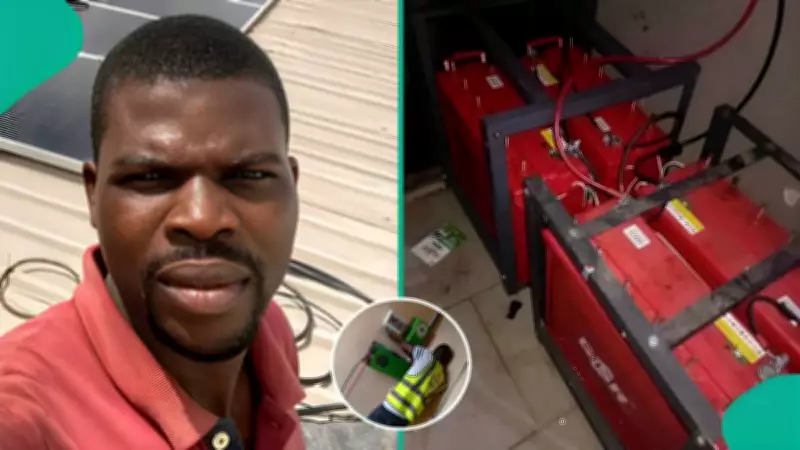
A solar expert has highlighted eight factors that can damage tubular batteries in solar inverters, warning users about common mistakes that reduce battery lifespan. In a viral social media post, Olu Jacob Opeyemi explained that while a good tubular battery should last three to five years, certain practices can cause failure within months.
Common Causes of Early Battery Failure
Opeyemi listed deep discharge as the most common issue, where the battery is drained too low repeatedly, leading to sulfation and permanent damage. Poor charging due to insufficient solar panels or incorrect settings prevents the battery from fully charging, gradually weakening it. Overcharging, caused by wrong inverter or charge controller settings, results in overheating, water loss, and plate damage.
Additional Factors
An undersized solar system, where a large battery is paired with small panels, prevents proper recharging. Excessive load from too many appliances drains the battery quickly and stresses it. Wrong cable size or poor installation causes voltage drop, poor charging, and heat buildup. Lack of maintenance, such as low water levels or dirty terminals, reduces performance. Mixing batteries of different capacities or ages leads to imbalance and overwork.
Opeyemi emphasized that battery failure is rarely the battery's fault but rather due to system design or usage. He advised setting correct discharge voltage, ensuring proper charging, matching panel size with battery, avoiding overloading, using correct cable size, and maintaining the battery regularly.
Social media users reacted to the post, with some sharing their experiences. A young man with a 2kVA solar inverter and 260Ah battery reported fast charging but quick draining, seeking solutions online. Another Nigerian complained about his 2.5kVA system with 220Ah batteries failing after one year.