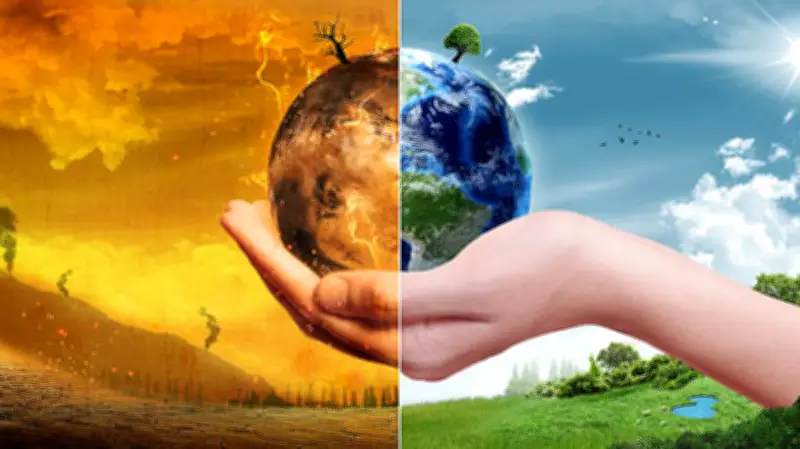
Climate and environment stakeholders have emphasized the need for enhanced efforts to mitigate the devastating effects of climate change. Speaking yesterday in Lagos during an event to mark World Environment Day 2026, the Federal Controller of the Environment for the South-West, Adenaike Oladunni, noted that the world is already experiencing severe impacts of climate change, including rising sea levels, increased flooding, environmental degradation, biodiversity loss, and mounting pressure on urban systems and natural resources.
Reflection on the Theme
Reflecting on the theme, “Inspired by nature, for climate, for our future,” during the event organized by the Federal Ministry of the Environment, Oladunni stated that these realities serve as reminders that climate action is no longer optional but a shared responsibility requiring immediate and sustained commitments from governments, institutions, communities, and individuals. She explained that the forum was carefully designed to promote dialogue, awareness, collaboration, and innovative thinking toward achieving sustainable environmental practices. She also advanced the need to inspire meaningful conversations and practical solutions capable of driving positive environmental change.
Expert Perspectives on Climate Change
Meanwhile, the former Federal Controller of the Ministry of the Environment in Lagos, Adeyemi Adefule, described climate change as a shift in Earth’s average weather patterns and an increase in surface temperature, linked to the emission of greenhouse gases such as carbon dioxide, nitrous oxide, and methane into the atmosphere, affecting human survival. He explained that human activities, including the burning of coal, oil, and gas for electricity, transport, and industry, as well as deforestation and farming, have contributed significantly to the problem. “Global warming is causing more heat waves, fewer cold snaps, heavier rainfall, and drought,” he noted. “It affects food production, water supply, health, coastlines, and economies.” However, Adefule stressed that solutions lie with individuals, all levels of government, business organizations, academia, and civil societies, stating that salvaging the Earth as a common heritage is a collective responsibility.
Urban Planning and Environmental Preservation
Additionally, town planner Mrs. Yemisi Alaska emphasized that the environment must be preserved for a sustainable future, adding that a better climate is a planning, governance, infrastructure, and human development issue. She lamented the encroachment on wetlands and flood zones, weak implementation and enforcement of regulations, and poor integration of climate risks due to overriding interests and economic issues.
Challenges in Green Building
On his part, the Founder and Senior Partner of Samson Agbator Consulting, Dr. Samson Agbator, listed major challenges developers face in adopting green design, including the perception of green building as an alien concept in the Nigerian environment, high costs, and weak or unimplemented policies.
Call for Collective Action
Similarly, a sustainability expert at the Bank of Industry, Mrs. Yemi Ayeni, urged Nigerians to work toward leaving the environment and the world better than they found it.