Techno Oil Launches Major LPG Cylinder Manufacturing Plant in Nigeria
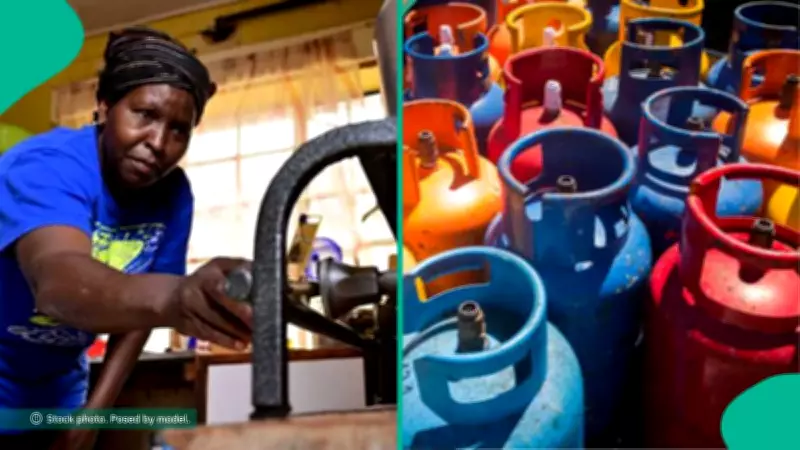
In a significant development for Nigeria's energy sector, Techno Oil has officially commenced operations at its new liquefied petroleum gas (LPG) cylinder manufacturing facility. This strategic move positions the company at the forefront of West Africa's transition toward cleaner cooking solutions, with an ambitious annual production target of five million cylinders.
Commitment to Safety and Quality Standards
Techno Oil emphasizes that safety and compliance form the cornerstone of its manufacturing process. The company asserts that all production activities strictly adhere to Nigerian Industrial Standards (NIS) without compromise. Before manufacturing begins, steel sheets undergo comprehensive laboratory testing to verify thickness, chemical composition, and physical properties. Only materials meeting exact specifications proceed to the production floor.
The manufacturing process involves several critical stages:
- Forming of half cylinders
- Fabrication of guard rings and foot rings
- Precision trimming operations
- Automated welding with quality checks at each phase
Following welding, each cylinder undergoes heat treatment at approximately 900 degrees Celsius to restore and normalize the steel's properties, significantly reducing long-term failure risks. Every unit then faces extreme condition testing through hydrostatic pressure assessments, with any failing cylinders immediately removed from production lines.
Cylinders that pass these rigorous tests proceed through shot blasting for surface cleaning, zinc metallisation to prevent corrosion, and final painting and labeling. Quality control experts conduct additional inspections before any cylinder receives approval for distribution. Techno Oil confirms that no product leaves the factory without completing this comprehensive sequence of checks.
Addressing Public Health and Energy Access Challenges
The company directly links its substantial investment to Nigeria's pressing public health and energy access issues. Millions of Nigerian households continue relying on firewood and kerosene for cooking—fuels associated with severe indoor air pollution that contributes to an estimated 79,000 deaths annually.
Techno Oil positions its manufacturing initiative as essential to accelerating safe LPG adoption nationwide. By increasing access to certified, durable cylinders, the company aims to encourage households to transition toward cleaner cooking fuels. Supporting this objective, Techno Oil has established not only the cylinder manufacturing plant but also a complementary 12,000-metric-tonne LPG terminal.
Boosting Local Industry and Creating Employment
While acknowledging that several previous cylinder manufacturing ventures in Nigeria have collapsed, Techno Oil asserts its model prioritizes long-term sustainability, local capacity building, and environmental responsibility. The company estimates this project could generate more than 250,000 direct and indirect jobs while significantly strengthening Nigeria's manufacturing foundation.
With existing local manufacturing capacity now established, Techno Oil argues there is little justification for continued cylinder imports. The company advocates for policies that discourage substandard cylinder imports, support certified local manufacturers, and improve public awareness of LPG safety standards.
Positioning for Nigeria's Cleaner Energy Future
With large-scale production capacity now operational, Techno Oil states it is prepared to supply both private and institutional buyers across Nigeria and the wider West African region. As Nigeria intensifies efforts toward cleaner cooking solutions and expanded LPG access, the company positions its cylinder manufacturing operation as a crucial pillar of the country's downstream energy transformation.
This development occurs against a backdrop of shifting dynamics in Nigeria's cooking gas market. Recent data from the Nigerian Midstream and Downstream Petroleum Regulatory Authority (NMDPRA) indicates that while LPG imports have declined to approximately 13% of total consumption, domestic production has increased. However, households continue facing elevated cooking costs, highlighting the complex challenges within Nigeria's energy landscape that initiatives like Techno Oil's aim to address through enhanced local manufacturing capacity and improved accessibility to safer cooking solutions.