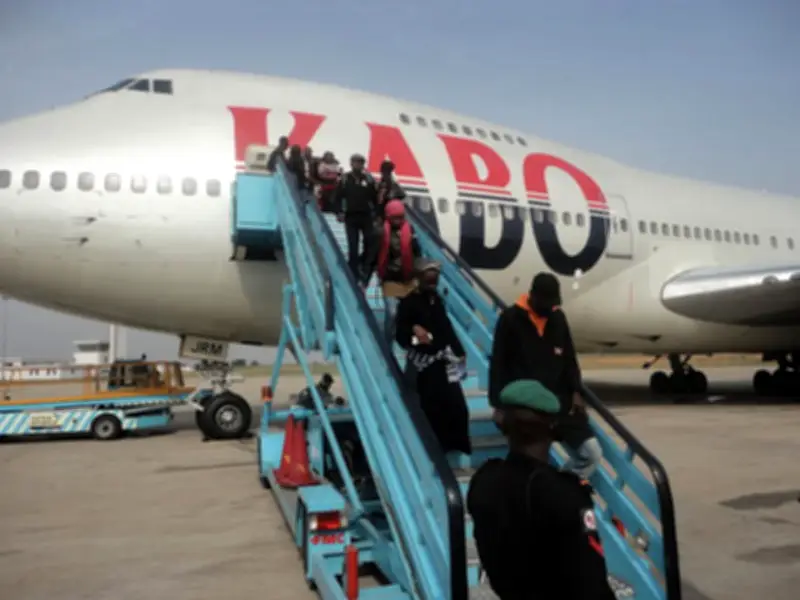
The Nigerian aviation industry has witnessed the collapse or temporary grounding of at least 10 domestic airlines over the past 10 years, according to industry records. These carriers, which once connected major cities across the country, have since ceased operations, leaving passengers and stakeholders to grapple with reduced competition and higher fares.
Full List of Defunct or Grounded Airlines
The affected airlines include NICON Airways, Fresh Air, Bellview Airlines, First Nation Airways, Okada Air, KOLKOL, Chrome, Afrijet, and Gas Air. Others are Aviation Development Corporation (ADC), Albarka, Executive Aviation Services (EAS), Space World, Allied Air, UMAR, Sosoliso Airlines, Harka Air, and Air Nigeria.
These airlines operated at various points within the last decade, serving both domestic and regional routes. Their grounding has been attributed to a combination of financial difficulties, operational challenges, and regulatory issues, though specific reasons vary by carrier.
Impact on the Domestic Aviation Market
The exit of these carriers has significantly reduced the number of active players in Nigeria's domestic air travel market. Industry observers note that fewer airlines mean less capacity on popular routes, which often translates to higher ticket prices for passengers.
According to recent reports, domestic airlines have raised fares on major routes, partly due to the reduced competition and rising operational costs. Airlines have also decried low passenger traffic and the high cost of fuel, which continue to pressure their bottom lines.
Broader Industry Context and Future Outlook
The closures come amid broader discussions about the future of Nigerian aviation, including whether domestic airlines will benefit from the Single African Air Transport Market (SAATM). This initiative aims to liberalize air transport across the continent, potentially opening new opportunities for surviving carriers.
However, the high rate of airline failures raises questions about the sector's sustainability. Without addressing underlying issues such as infrastructure, financing, and regulatory consistency, the industry may continue to see new entrants struggle to survive.
The grounding of these airlines underscores the volatile nature of the aviation business in Nigeria, where economic pressures and operational hurdles often prove insurmountable for carriers. As the industry evolves, stakeholders will be watching closely to see if policy changes can foster a more stable and competitive environment.