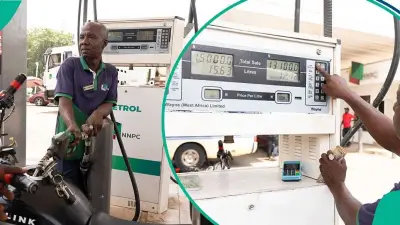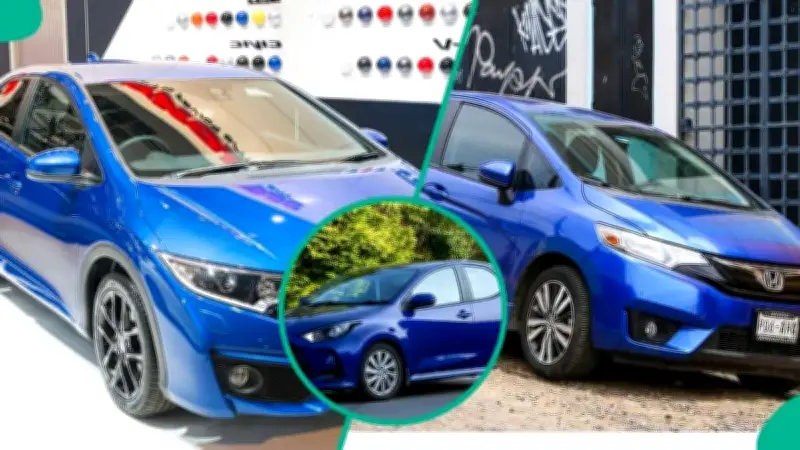
Petrol-only cars have lost their majority share of global new-vehicle sales for the first time, as soaring fuel costs push more buyers toward electric vehicles and hybrids, according to industry data.
Global Sales Data Shows Shift Away from Petrol
Data from automotive analytics provider Mobility Global, reported by Nikkei Asia and cited by Oilprice.com, showed that petrol-powered vehicle sales, excluding hybrids, fell 10% year-on-year to 20.25 million units between January and June 2026. Their share of global new vehicle sales dropped three percentage points to 49%.
The figures reflect a shrinking market share, not a 50% collapse in sales, contrary to some interpretations. The shift highlights how the cost of keeping a car on the road is reshaping purchasing decisions, with the Strait of Hormuz crisis adding fresh pressure to household transport budgets.
Fuel Costs Reshape Buying Decisions
For motorists weighing their next purchase, fuel bills are becoming an increasingly important consideration alongside the vehicle's price. Disruptions linked to the Middle East conflict have renewed concerns about exposure to unpredictable petrol and diesel costs, strengthening interest in alternatives.
However, the decline in petrol-only cars does not mean fully electric vehicles now account for most global sales. Hybrids, which combine an engine with an electric motor, are excluded from the petrol-only category. The distinction matters because the market is shifting across several technologies, rather than moving entirely from petrol engines to battery-powered cars.
Europe Records Sharp Electric Vehicle Growth
Europe has emerged as a major centre of the latest electric vehicle surge. Figures from the European Automobile Manufacturers' Association showed that battery electric vehicle registrations across the European Union, European Free Trade Association countries and the United Kingdom rose 52.2% year-on-year in August.
Registrations reached 243,207, compared with 159,794 a year earlier. Over the same period, petrol car registrations across those markets fell 23.5%. The figures underline the changing balance of demand, as electric models gain ground while conventional petrol vehicles face mounting pressure.
Electric Car Demand Spreads Across Markets
The recovery extends beyond Europe. According to the International Energy Agency, global electric car sales rebounded in the second quarter of 2026, rising 35% compared with the first three months of the year.
Quarterly sales reached record levels in 50 countries. In Australia, Brazil, India, South Korea and Vietnam, sales roughly doubled between March and June compared with the corresponding period of 2025. The agency linked the rebound partly to the energy crisis, which brought fuel-price volatility back into focus for consumers.
What the Figures Mean for Nigerian Buyers
For Nigerian shoppers comparing Tokunbo and brand-new vehicles, the trend raises a practical question: how much will a car cost to run after purchase? However, the global figures do not establish new Nigerian vehicle prices or show that local dealers have cut prices. No dealer quotations or model-specific price changes were provided.
Any comparison between petrol, hybrid and electric options would also need to account for purchase costs, maintenance, charging access and electricity expenses. Legit.ng earlier reported that Nigeria's push towards cleaner and cheaper energy has received a major boost after the Federal Government removed import duty and Value Added Tax (VAT) on cooking gas, compressed natural gas (CNG) and electric vehicles, a move that is already reflecting in lower LPG prices announced by dealers.
The Nigeria Customs Service (NCS) unveiled the tax incentives on Thursday, July 30, 2026, under the Presidential Gas for Growth Initiative, describing the policy as part of efforts to reduce transport and energy costs while accelerating the country's transition away from petrol.