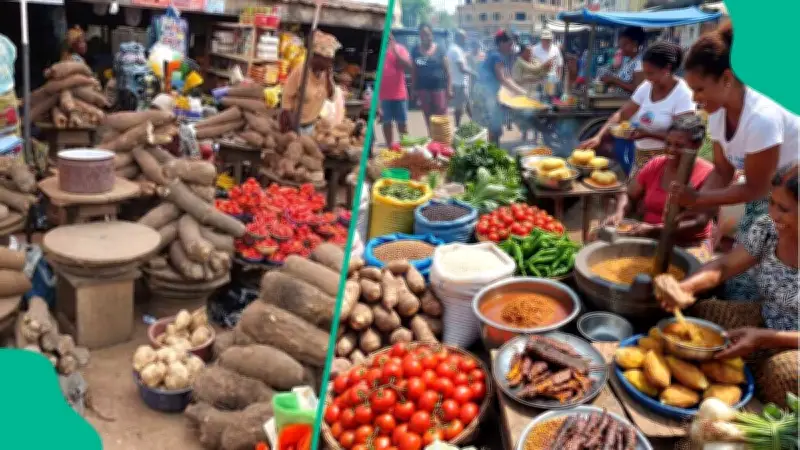
A survey of 67 food items across Mushin, Daleko, Mile 12, and Oyingbo markets in Lagos found that 36 commodities recorded price declines in September 2026, compared with 27 in August. The price drops were linked to improved harvest supplies, increased inflows of farm produce, and softer demand as households adjust spending.
Sweet Potatoes and Plantain Lead Price Declines
Sweet potatoes recorded one of the most significant price corrections. According to Nairametrics' September survey, a bag fell by 8.57% to ₦32,000 from ₦35,000 in August. A separate Lagos market survey showed a 100kg bag falling from about ₦70,000 in July to ₦18,000 in September.
Plantain also became cheaper for consumers in Lagos. A small bunch that sold for about ₦3,500 was going for around ₦3,000 in September, helped by increased harvest-season supply.
Maize and Pepper Prices Drop 20%
White maize recorded a substantial decline during September. The average price of a 50kg bag dropped from ₦50,000 in August to ₦40,000 in September, a 20% fall. Improved supply from producing areas was one of the factors traders cited. Yellow maize followed a similar trend, with a 50kg bag falling by 20% to ₦40,000.
Pepper prices also dropped considerably. Nairametrics found that the average price of a big bag fell by 20% to ₦80,000, while a medium bag declined by 11.11% to ₦40,000.
Garri and Beans Offer Relief for Households
Yellow garri, a key staple, saw a 50kg bag drop from ₦21,000 in August to ₦18,000 in September, a 14.29% decline. White garri also became cheaper, falling from ₦22,000 to ₦19,500, an 11.36% decline. Beans also recorded price relief: a 50kg bag of Oloyin beans fell from ₦82,000 to ₦75,000, an 8.54% decline, while brown beans fell 4.55% to ₦105,000.
Rice Prices Fall, But Some Foods Rise
Rice prices also declined in September. Royal Stallion short-grain rice fell by 7.55% to ₦49,000, according to the Lagos market survey. Separate market-tracking data showed Nigerian manufactured rice averaging about ₦51,571 per 50kg bag in September, down from August, while imported long-grain rice averaged ₦54,328.
However, price relief is not uniform. Egusi recorded a 29.73% monthly increase in September, a large basket of tomatoes rose from ₦70,000 to ₦80,000, and vegetable oil prices also increased. Traders said increased harvest inflows helped bring down prices of cereals, legumes, and some root crops, while weaker consumer demand limited how much traders could increase prices. For Nigerian households, the message is mixed: some food prices are finally coming down, but the relief may depend on the food item, market, and location.