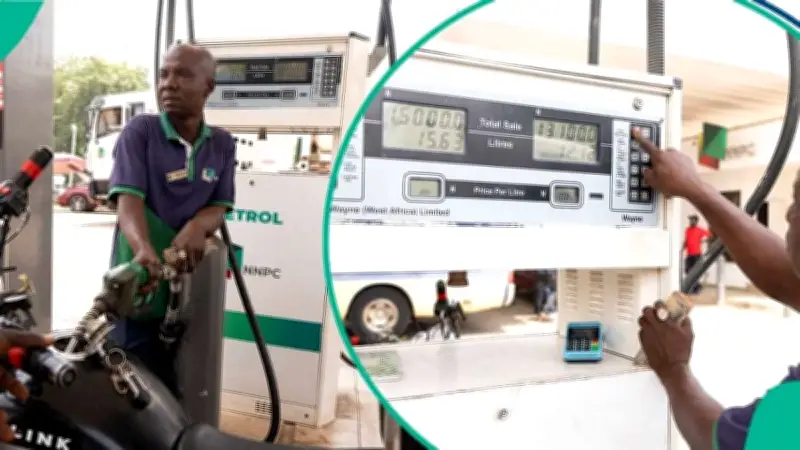
Britain’s average diesel price reached a record 200.01 pence per litre on Friday, October 2, according to RAC data, while Dangote Petroleum Refinery in Nigeria reduced its wholesale diesel rate by ₦70, effective October 1. The contrasting movements highlight the uneven impact of global fuel pressures, with British motorists facing record pump prices and Nigerian businesses looking for relief from lower local supply costs.
UK Diesel Breaches £2 Per Litre for First Time
The British average diesel price rose from 199.79p on Thursday to 200.01p on Friday, according to RAC data reported by the Financial Times. This followed Monday’s breach of the previous record of 199.09p, set in June 2022 after Russia invaded Ukraine. RAC head of policy Simon Williams said the upward movement was “showing no signs of slowing.”
At an indicative exchange rate of approximately ₦1,762 to the pound, the British price translates to about ₦3,524 per litre. This is a currency conversion, rather than a Nigerian selling price. Higher fuel bills threaten to deepen the pressure on British households and businesses, particularly those dependent on diesel vehicles for commuting, deliveries and commercial operations.
Dangote Refinery Cuts Diesel Price in Nigeria
In Nigeria, Dangote Refinery reduced its diesel gantry price by ₦70, from ₦1,850 to ₦1,780 per litre, effective October 1. The adjustment represents a reduction of approximately 3.8%, offering a lower purchasing price for marketers buying at the refinery.
According to an October 1 report by Legit.ng, citing Petroleumprice.ng, competing Lagos depots quoted different rates. Prudent listed diesel at ₦1,890 per litre, Rain Oil at ₦1,885 and Matrix at ₦1,880. Pinnacle quoted ₦1,850, while Eterna stood at ₦1,795. Several other depots, including Ascon, Duport, Ibachem and Ibeto, quoted ₦1,800 per litre, Legit.ng reported.
These are wholesale prices. They should not be directly compared with Britain’s retail pump average, which reflects a different tax structure and distribution market.
What the Price Cut Means for Nigerian Businesses
For Nigerian businesses using diesel generators and trucks, lower wholesale prices could ease electricity and distribution expenses if suppliers pass the reduction through. The potential savings are measurable: a ₦70 reduction would lower the fuel cost of a 1,000-litre purchase by ₦70,000, before delivery charges and other costs.
However, consumers may experience different prices depending on location, transport expenses, existing stock and retailers’ margins. A refinery price reduction therefore does not guarantee an immediate, matching decline at every filling station.
G7 Releases Reserves to Cool Prices
Meanwhile, G7 countries agreed to coordinate the release of 100 million barrels of oil and petroleum products through the International Energy Agency. The release will begin immediately and run over four months, with substantial diesel volumes prioritised within the first 20 days.
For Nigeria, any resulting easing of international supply pressures could support more favourable purchasing conditions, although domestic prices will also depend on exchange rates and distribution costs. Legit.ng earlier reported that the Dangote Petroleum Refinery and major oil marketers have reduced petrol prices across several Nigerian depots following a decline in international crude oil prices, raising expectations of cheaper fuel at filling stations. The latest depot price report by Petroleumprice.ng shows reductions across Lagos, Port Harcourt, Calabar and Warri, with Dangote implementing one of the largest cuts.