The aviation industry is intended to strengthen a nation's economy and provide reliable transportation for business, family, and emergency travel. Unfortunately, this has not been the case with many Nigerian airlines. Numerous air passengers, both local and foreign, regularly have unpleasant experiences when flying domestically. The customer relations of many Nigerian airlines are poor and uncommendable, yet passengers often feel helpless when their rights are violated by operators.
Flight Delays and Cancellations: A Major Concern
Flight delays or cancellations are the most significant factors causing consumer dissatisfaction and complaints against airlines. These issues damage an airline's reputation and lead passengers to switch carriers. In developed aviation countries, operators typically take full responsibility and communicate effectively with affected passengers when delays or cancellations occur. However, my recent experience with a Nigerian domestic airline was far from satisfactory.
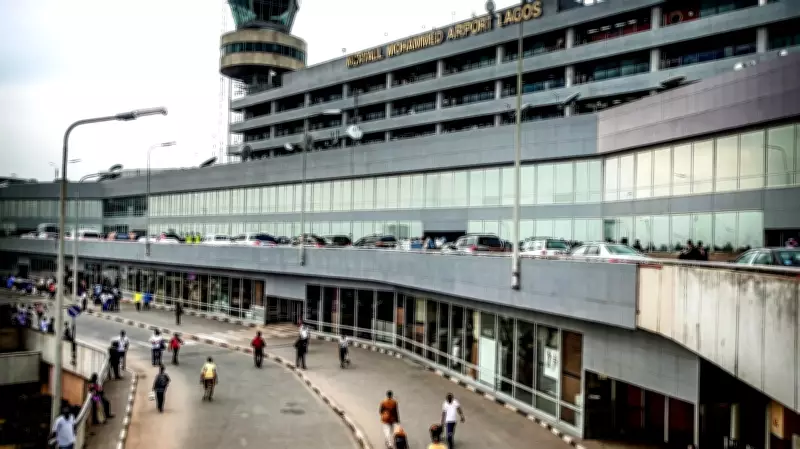
During my visit to Nigeria in May, I booked a flight from Lagos to Asaba, scheduled to depart at 7:15 a.m. on May 13. Shockingly, the flight did not depart until approximately 10:15 p.m., a staggering 15-hour delay. My final destination was Ogidi in Anambra State for the wake of my mother-in-law. Throughout the delay, passengers were subjected to confusion, poor communication, and unnecessary harassment without any reasonable explanation from the airline or its staff at Lagos airport. Scheduled passengers were left in a state of depression, with no one attending to their needs.
Widespread Operational Failures
As an aviator, I made inquiries about the delay and discovered that the Asaba flight was not the only affected route that day. Flights to Port Harcourt, Kano, and other destinations, some scheduled as early as 2:00 p.m., were also severely delayed without proper explanations to frustrated passengers. This situation is deeply disappointing. I traveled to Nigeria for my mother-in-law's funeral, and due to this unacceptable delay, my children were unable to attend their grandmother's burial. Many other passengers on the same flight also missed important family events, business meetings, and personal obligations.
Airlines cannot operate efficiently without adequate aircraft fleets and qualified crew members. Poor scheduling and operational failures negatively impact passengers' lives, businesses, and confidence in the aviation system. How can people reliably schedule business meetings or important family occasions under these conditions?
Contrasting Experiences with Different Airlines
Due to uncertainty and lack of confidence in the return journey, I requested a return ticket on a different airline. My expectations and fears regarding the previous airline were immediately confirmed. The new flight departed 10 minutes ahead of schedule and arrived in Lagos on time, allowing me to attend my business meetings and enabling my family to return to the USA as planned. Ironically, the original return flight from Asaba with the first airline was delayed again until approximately 5:10 p.m., instead of the morning departure to Lagos.
This level of operational inefficiency is unacceptable and reflects the urgent need for serious restructuring and accountability within some Nigerian airlines. I have chosen not to address complaints I heard about other airlines, although many passengers described these delays as common in Nigeria's aviation sector.
Call for Stricter Regulation and Passenger Protection
I strongly believe that the Nigeria Civil Aviation Authority (NCAA) and the Minister of Aviation and Aerospace Development, Mr. Festus Keyamo, should closely examine these persistent delays and implement stricter passenger protection policies, including:
- Mandatory penalties for flight delays exceeding two hours.
- Compensation of at least 50 percent of the ticket fare as travel vouchers for affected passengers.
- Hotel accommodation for delays exceeding four hours.
- Transportation to and from the airport for stranded passengers.
- Mandatory endorsement of passenger tickets to more reliable airlines when operational failures occur.
Passengers deserve professionalism, accountability, transparency, and respect. Nigeria's aviation can improve, but only if airlines and regulators take these recurring failures seriously. Nigeria cannot operate in isolation from global standards.
Olufemi Adeniji is the chief executive officer of United States-based aircraft brokerage, Nigame Aircraft Consultancy.