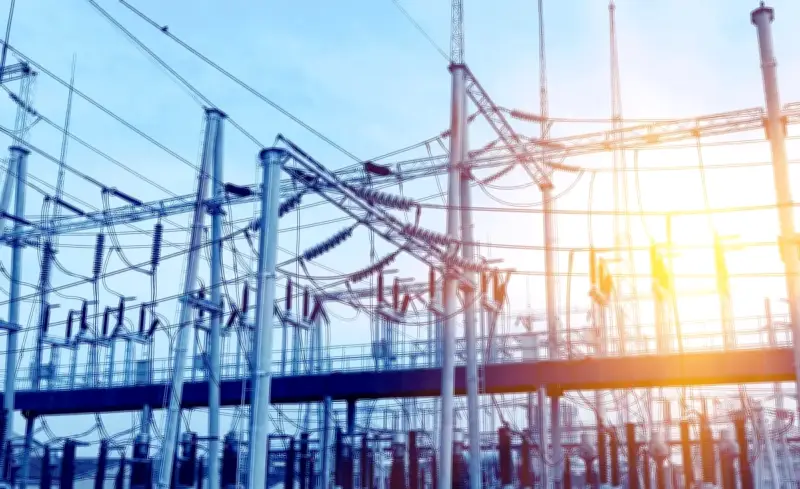
Japan has committed N20 billion to boost electricity transmission in Lagos, targeting improved power supply reliability and economic growth in Nigeria's commercial hub. The funding, announced by the Japanese government, will support the upgrade of transmission infrastructure in the Lagos metropolitan area, addressing chronic power outages that have hindered industrial and commercial activities.
Japan's N20 Billion Commitment to Lagos Power Transmission
The Japanese International Cooperation Agency (JICA) will oversee the implementation of the project, which includes the installation of new transformers, transmission lines, and substations. According to a statement from the Japanese Embassy in Abuja, the project aims to strengthen the transmission network in Lagos, reducing technical losses and improving voltage stability. The N20 billion commitment is part of Japan's broader development assistance to Nigeria, focusing on infrastructure and energy security.
Lagos, with a population exceeding 20 million, is Nigeria's economic nerve center, but its power grid has struggled to meet demand, leading to frequent blackouts. The Japanese government noted that the project will enhance the capacity of the Transmission Company of Nigeria (TCN) to deliver electricity to distribution companies serving Lagos. The initiative is expected to benefit over 10 million residents and businesses in the city.
Impact on Lagos Power Supply and Economic Growth
The project will specifically target transmission bottlenecks in key industrial zones, including Ikeja, Apapa, and Victoria Island. These areas have experienced significant power supply challenges, affecting manufacturing, logistics, and service sectors. The Japanese ambassador to Nigeria, Matsunaga Kazuyoshi, stated that the project is designed to support Nigeria's economic diversification efforts by ensuring reliable electricity for businesses. He added that the investment aligns with Japan's commitment to sustainable development in Africa.
According to the Nigerian Electricity Regulatory Commission (NERC), transmission losses in Lagos have averaged 15% annually, leading to revenue shortfalls for distribution companies. The new infrastructure is expected to reduce these losses by at least 5%, improving the financial viability of the power sector. The project will also incorporate smart grid technologies to monitor and manage electricity flow in real time.
Implementation Timeline and Stakeholder Reactions
Construction is scheduled to begin in early 2027, with completion expected within 24 months. The TCN will collaborate with JICA to ensure timely execution and adherence to international standards. The Nigerian government has welcomed the investment, with the Minister of Power, Adebayo Adelabu, describing it as a critical step toward achieving the country's goal of universal electricity access by 2030.
Local business associations, including the Lagos Chamber of Commerce and Industry (LCCI), have expressed optimism about the project. The LCCI director general, Chinyere Almona, noted that improved power supply could reduce operating costs for businesses by up to 30%, potentially boosting foreign direct investment in Lagos. The Japanese government has also pledged technical training for TCN engineers to maintain the new infrastructure.
The project is part of a larger $500 million Japanese investment in Nigeria's power sector, which includes similar initiatives in Abuja and Port Harcourt. The Lagos transmission upgrade is expected to serve as a model for future public-private partnerships in the energy sector. The Japanese embassy confirmed that the funding will be disbursed through concessional loans and grants, with repayment terms favorable to the Nigerian government.