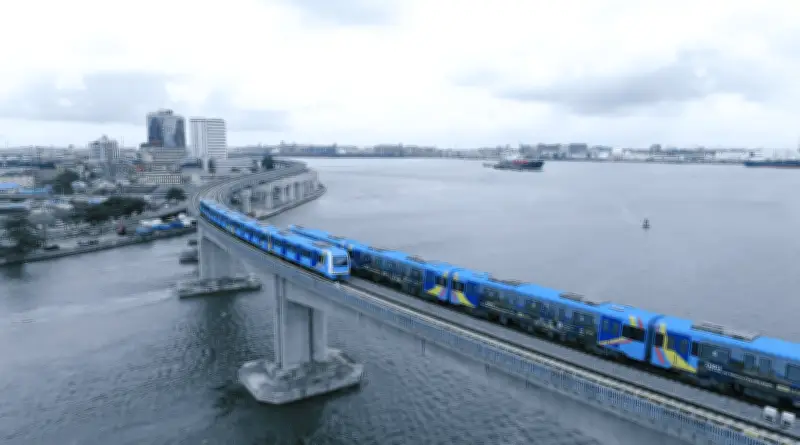
The Lagos Blue Line rail system has achieved a significant milestone, recording over 8 million passengers since its inception. The announcement was made by the Lagos Metropolitan Area Transport Authority (LAMATA) on July 16, 2026, highlighting the growing adoption of the city's first metro rail line.
Passenger Milestone and Operational Success
According to LAMATA, the Blue Line has consistently increased its ridership since commencing operations, with daily passenger numbers now exceeding 150,000 on weekdays. The system, which runs from Marina to Mile 2, has become a vital transport artery for Lagos commuters, reducing travel time and easing road congestion.
LAMATA Managing Director, Mrs. Olasunkanmi Ogunleye, stated: "Reaching 8 million passengers is a testament to the reliability and efficiency of the Blue Line. We are committed to expanding the network to serve more Lagosians." The authority attributed the growth to improved service frequency, safety measures, and integration with other public transport modes.
Phase II Construction Advances with First T-Beam Installation
In a parallel development, construction of the Blue Line Phase II has reached a critical stage with the installation of the first T-beam. The T-beam, a key structural component for the elevated rail track, was placed at the Okokomaiko section of the extension. This marks the beginning of the superstructure works for the 14-kilometer extension from Mile 2 to Okokomaiko.
The Phase II project, funded by the Lagos State Government and development partners, is expected to be completed by 2028. Once operational, it will bring the total length of the Blue Line to 27 kilometers, connecting more densely populated areas in the western corridor. The project includes five new stations: Alaba, Iyana Iba, Iba, Okokomaiko, and a depot.
Economic and Social Impact
The Blue Line's success has spurred economic activities along its corridor, with property values increasing and new businesses emerging near stations. Commuters have reported savings of up to two hours daily compared to road travel. The state government projects that the full Blue Line network will carry over 500,000 passengers daily once all phases are complete.
LAMATA also noted that the system has reduced carbon emissions by an estimated 20,000 tonnes annually, contributing to environmental sustainability goals. The authority plans to introduce contactless payment systems and expand park-and-ride facilities to further enhance user experience.
Challenges and Future Plans
Despite the achievements, the Blue Line faces challenges including occasional power outages and the need for more rolling stock. LAMATA has ordered additional train sets to increase capacity. The Phase II construction is also contending with right-of-way issues and utility relocations, but the authority assures that progress remains on schedule.
Looking ahead, LAMATA is finalizing designs for Phase III, which will extend the line to Agbado, and Phase IV to Ojo. The long-term vision includes integrating the Blue Line with the Red Line and other planned rail networks to create a comprehensive metro system for Lagos, Africa's largest city.