The Nigeria Civil Aviation Authority (NCAA) has been called upon to implement stronger passenger protection measures and stricter regulatory oversight following persistent severe operational disruptions by domestic airlines.
Aviation Expert Highlights Passenger Ordeal
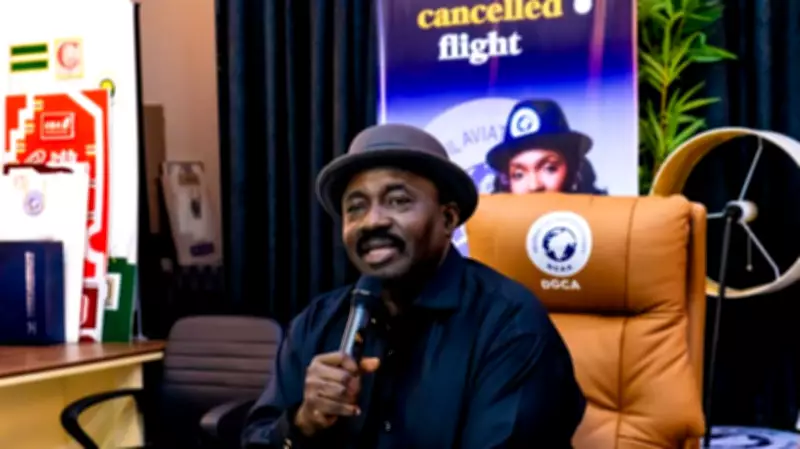
Olufemi Adeniji, Chief Executive Officer of the United States-based aircraft brokerage Nigame, made the call during an interview with The Guardian in Lagos over the weekend. He alleged that indigenous airlines continue to trample on the rights of the traveling public without adequate intervention from the regulatory agency.
Adeniji recounted a personal experience earlier in the month when he and other passengers were stranded at the Lagos airport for nearly 15 hours due to insufficient operational aircraft. He had planned to board a United Nigeria Airlines flight from Lagos to Asaba on May 13, scheduled to depart at 7:15 a.m. However, the flight did not depart until 10:15 p.m., causing significant inconvenience.
He stated that throughout the prolonged delay, passengers received little information from the airline, leaving them frustrated by poor communication and inadequate customer service.
Widespread Disruptions Reported
The aviation consultant noted that his inquiries revealed the Asaba flight was not the only service affected that day. Flights to Port Harcourt, Kano, and other destinations also experienced significant delays, with passengers reportedly receiving little explanation for the disruptions.
Adeniji said the delay had personal consequences for his family, as it prevented his children from attending their grandmother's burial in Anambra State. Many other passengers missed important business engagements, family events, and personal commitments due to the disruption.
According to him, persistent delays and cancellations continue to undermine public confidence in Nigeria's aviation industry and highlight operational challenges confronting some domestic airlines.
“The scheduled passengers were left in a state of confusion and frustration without anyone properly attending to their concerns,” Adeniji said. “Airlines cannot operate efficiently without adequate aircraft fleets and qualified crew members. Poor scheduling and operational failures negatively affect passengers’ lives, businesses and confidence in the aviation system.”
Proposed Measures for Stronger Enforcement
Adeniji urged the NCAA and the Minister of Aviation and Aerospace Development, Festus Keyamo, to investigate recurring delays across the domestic aviation sector and strengthen enforcement of passenger rights. Among the measures he proposed are:
- Mandatory penalties for flight delays exceeding two hours
- Compensation equivalent to at least 50 percent of ticket fares in the form of travel vouchers
- Hotel accommodation for passengers affected by delays beyond four hours
- Transportation support for stranded travelers
- Compulsory endorsement of tickets to alternative airlines when operational disruptions occur
He insisted that passengers deserve professionalism, accountability, transparency, and respect. He noted that the country's aviation sector could improve, but only if airlines and regulators take recurring operational failures seriously.