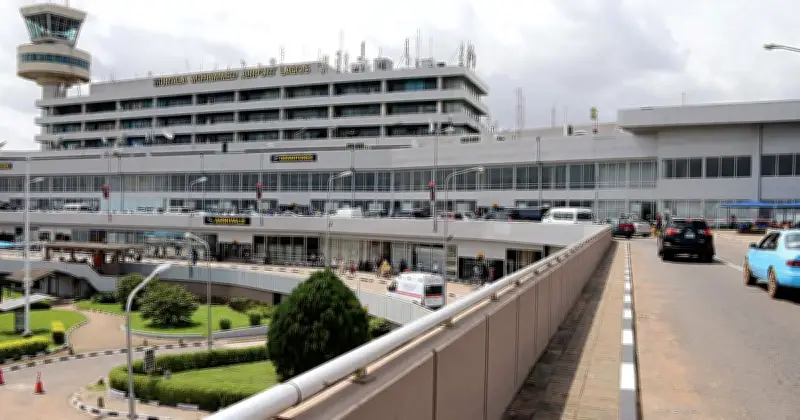
The Federal Government's announcement of a fresh $500 million investment for the reconstruction and modernisation of the international terminal at Murtala Muhammed International Airport (MMIA) in Lagos has sparked widespread reactions from Nigerians. Many are questioning what became of the ₦712 billion approved for airport rehabilitation projects in the 2025 budget.
New Investment Details
The new investment, unveiled by the Minister of Aviation and Aerospace Development, Festus Keyamo, is part of ongoing efforts by President Bola Tinubu's administration to upgrade Nigeria's aviation infrastructure and position Lagos as a major aviation hub in Africa. Speaking at the Invest Lagos 3.0 event organised by the Lagos State Government, Keyamo disclosed that the federal government had already committed about $500 million towards rebuilding the ageing international terminal at MMIA. The minister said the project is designed to transform the airport, which has been in operation for nearly five decades, into a modern facility capable of handling growing passenger and cargo traffic.
Public Reaction
The announcement triggered conversations on social media, with many Nigerians questioning how the fresh investment aligns with funds already earmarked for airport renovation and infrastructure upgrades in recent budgets. Some wondered if the airport had not already been renovated under the current administration.
Rail Connection Planned
Beyond the terminal reconstruction, Keyamo revealed that the Federal Government is working with the Lagos State Government to extend the state's rail network directly into the airport. The planned extension will connect the rail line currently ending at Ikeja Bus Stop to the General Aviation Terminal (GAT), continue through the Murtala Muhammed Airport Terminal Two (MMA2), and eventually reach the international terminal. This rail connection could significantly reduce travel time to Nigeria's busiest airport while improving passenger movement within Lagos.
Lagos Dominance in Aviation
Keyamo highlighted that Lagos handles approximately 67 per cent of all passengers travelling through Nigerian airports. The city's strategic geographical location gives it a competitive edge, being equidistant from major global destinations. He noted that Lagos is just six hours away from South America, Southern Africa, the Middle East, and Europe, positioning it as a potential top aviation hub in Africa.
Expansion of International Airports
The aviation minister further disclosed that Nigeria now has seven international airports following the addition of Victor Attah International Airport in Akwa Ibom State and Maiduguri International Airport in Borno State. He also pointed to the resolution of the long-running dispute between Bi-Courtney Aviation Services Limited (BASL) and the Federal Government as evidence of efforts to improve the investment climate in the aviation industry.
Keyamo urged both local and foreign investors to explore opportunities in the sector, including the proposed airport project along the Lekki-Epe corridor being promoted by the Lagos State Government. The planned reconstruction of MMIA and the proposed rail link form part of broader efforts to modernise Nigeria's aviation infrastructure, boost connectivity, and strengthen Lagos' position as a gateway for air travel and cargo movement across Africa.