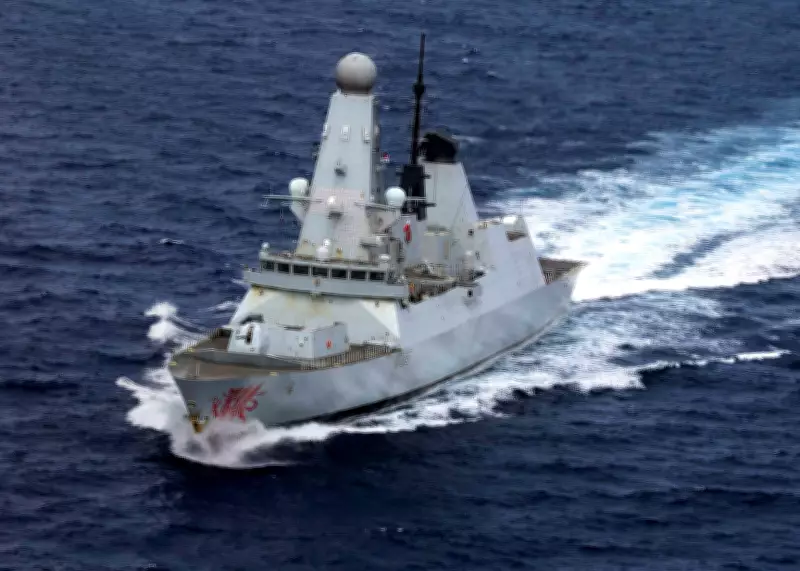
The Royal Navy has deployed the warship HMS Dragon to the Middle East in preparation for a possible multinational mission in the Strait of Hormuz, as tensions between Iran and the United States continue to simmer. The Type 45 destroyer is expected to position itself in the region and could be used to safeguard commercial shipping routes if a coalition operation proceeds.
Strategic Deployment Amid Fragile Ceasefire
The deployment occurs during a fragile ceasefire between the US and Iran, with negotiations ongoing. The Strait of Hormuz, a vital waterway through which approximately 20 percent of global oil supplies are transported, remains strategically significant. US forces have recently intensified operations in the area, including reported actions against two Iran-linked vessels attempting to dock at Iranian ports on Friday, May 9.
HMS Dragon's Journey and Capabilities
HMS Dragon, based in Portsmouth and carrying a crew of about 200 personnel, has been conducting weapons testing exercises near Crete since departing the UK in March. The warship reportedly returned briefly for maintenance last month due to issues with its water systems before resuming operations. A defence source stated that the deployment aims to support international trade and maintain regional stability.
“Dragon is a highly capable warship, so naturally she is likely to be part of our UK contribution to restoring confidence for global trade through the strait,” the source said. “This move is all about being prepared, should the conditions allow for our coalition to begin its work.”
Coalition Leadership and Scope
The source added that Britain and France are expected to lead the proposed multinational operation, which could involve participation from at least 40 countries. “The UK and France will continue to lead these efforts, turning diplomatic consensus into military options,” the source explained. The operation is reportedly intended as a defensive peacekeeping mission focused on protecting international shipping.
Ongoing Tensions and Nuclear Talks
Tensions in the region persist as US-Iran talks remain uncertain. Donald Trump recently stated he was awaiting a response from Tehran regarding negotiations over Iran’s nuclear ambitions. “I’m getting a letter supposedly tonight… We’ll find out soon enough,” Trump told reporters. The US insists that any long-term agreement must involve Iran abandoning efforts to develop nuclear weapons. The conflict has already contributed to rising global oil prices, with reports indicating increases of up to 40 percent in recent months.
NATO and US Pressure
Britain’s decision to send HMS Dragon is also seen as part of wider NATO efforts, following criticism from US officials that allies needed to contribute more towards securing the vital waterway. US Defense Secretary Pete Hegseth recently warned that American forces would not protect the Strait of Hormuz indefinitely. “As I’ve said before, the world needs this waterway a lot more than we do,” Hegseth said. “We expect the world to step up.”
A spokesperson for the UK Ministry of Defence confirmed the deployment, describing it as part of contingency planning for any future coalition operation in the region.