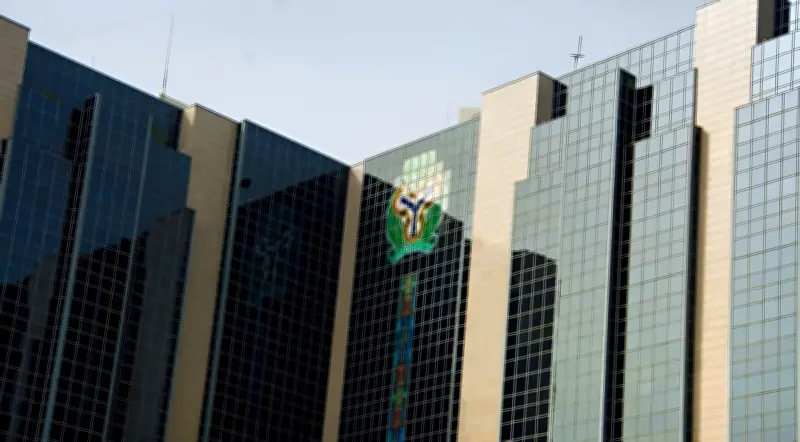
The Central Bank of Nigeria (CBN) has directed all banks and financial institutions to freeze accounts belonging to six individuals and companies suspected of involvement in terrorism financing. The directive, issued on February 10, 2025, follows a court order obtained by the Nigerian Financial Intelligence Unit (NFIU).
Court Order and Suspects
The order, signed by Justice A. O. O. of the Federal High Court, Abuja, authorizes the freezing of accounts linked to the suspects for an initial period of 90 days. The suspects include three individuals and three companies, whose names were not disclosed in the public notice but were communicated to the banks via a confidential circular.
According to the CBN, the action is part of ongoing efforts to combat terrorism financing and money laundering in Nigeria. The central bank emphasized that the freeze is preventive and aims to disrupt any potential financial support for terrorist activities.
Legal Basis and Compliance
The CBN cited Section 12 of the Terrorism (Prevention) Act, 2011 (as amended), which empowers the NFIU to apply for freezing orders in cases of suspected terrorism financing. Banks are required to comply immediately and report any attempts to access the frozen accounts.
"The directive is in line with our commitment to safeguard the financial system from abuse by terrorists and their financiers," said a CBN spokesperson. "We urge all financial institutions to adhere strictly to the order and enhance their due diligence processes."
Impact on Banking Operations
Financial institutions have been instructed to freeze all transactions, including deposits, withdrawals, and transfers, involving the specified accounts. They must also provide the NFIU with detailed account information and transaction histories within seven days.
Non-compliance with the order could result in penalties, including fines and revocation of banking licenses. The CBN also warned that any bank employee who tips off the account holders about the freeze would face legal consequences.
Broader Context of Anti-Terrorism Efforts
This latest action is part of a wider crackdown on terrorism financing in Nigeria. In recent months, the NFIU has intensified its surveillance of suspicious financial flows, particularly those linked to Boko Haram and other extremist groups. The government has also strengthened its collaboration with international bodies like the Financial Action Task Force (FATF) to improve its anti-money laundering and counter-terrorism financing framework.
Analysts say the move signals a more proactive approach by Nigerian authorities to disrupt terrorist networks. "Freezing accounts is a critical tool, but it must be complemented by effective prosecution and asset forfeiture to have a lasting impact," said a security expert who spoke on condition of anonymity.
The CBN has not disclosed the total amount frozen in the accounts, but sources suggest the figure could run into millions of naira. The affected parties have the right to challenge the order in court after the 90-day period.