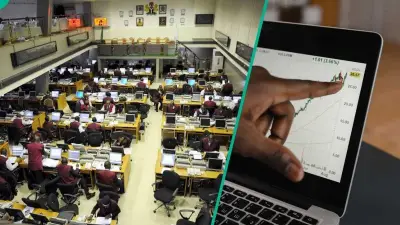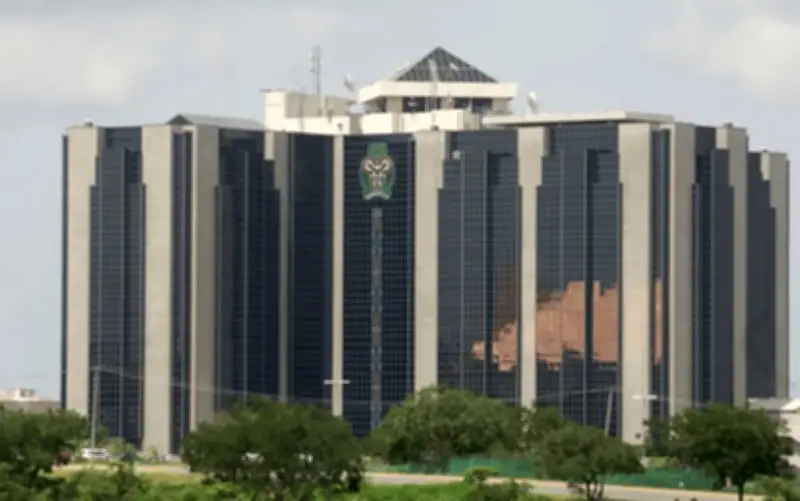
The Central Bank of Nigeria (CBN) is set to auction N700 billion in treasury bills today, marking its second auction for the month of August. The sale is part of the central bank's efforts to manage liquidity in the financial system and support government funding needs.
Auction Details and Instruments
The auction will offer three tenors: 91-day, 182-day, and 364-day bills. According to the CBN's auction schedule, the bank will sell N100 billion in the 91-day bill, N200 billion in the 182-day bill, and N400 billion in the 364-day bill. This breakdown reflects the central bank's strategy to attract both short-term and longer-term investors.
The auction is conducted through the primary dealer system, where licensed banks and other financial institutions bid on behalf of their clients. The CBN uses these auctions to set benchmark interest rates for short-term government securities, which influence broader money market rates.
Market Context and Liquidity Management
The second August auction comes amid ongoing efforts by the CBN to mop up excess naira liquidity from the banking system. Treasury bills are a key tool for the central bank to control money supply, curb inflation, and stabilize the currency. The N700 billion sale is expected to absorb a significant portion of available liquidity, potentially affecting interbank rates.
Investors, including commercial banks, pension funds, and foreign portfolio investors, are expected to participate actively. The yields on these bills will be closely watched as indicators of market sentiment and inflation expectations. In the previous auction, stop rates reflected a cautious stance, with investors demanding higher returns amid rising inflation.
Impact on Government and Economy
The proceeds from the auction will be used to finance government budgetary deficits and refinance maturing obligations. This is part of the broader fiscal strategy to manage Nigeria's public debt, which has grown in recent years. The CBN's regular auctions provide a predictable funding avenue for the government while helping to develop the domestic bond market.
Analysts note that the outcome of today's auction could influence the direction of interest rates in the coming weeks. If stop rates rise, borrowing costs for the government increase, but it could also attract more foreign investment, supporting the naira. Conversely, lower rates might stimulate credit to the private sector but could reduce foreign interest.
According to the CBN, the auction will be conducted electronically, with results expected to be published later today. The central bank has emphasized its commitment to transparency and efficiency in the primary market operations.
The N700 billion sale is part of a series of auctions scheduled for the year, as the CBN continues to implement its monetary policy framework. Market participants will be monitoring the development closely for signals on future policy moves.
In summary, today's treasury bill auction is a critical event for Nigeria's financial markets, with implications for liquidity, interest rates, and government financing. The CBN's actions will be pivotal in navigating the current economic challenges, including inflation and currency pressure.