
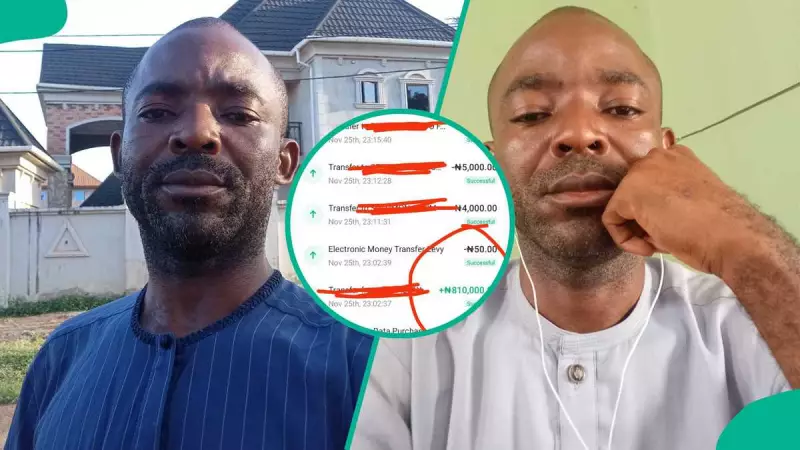
In a remarkable display of integrity that has captured national attention, a Nigerian man named Anum Absalom has been generously rewarded for his honesty after returning a substantial sum of money that was mistakenly transferred to his OPay account.
The Unexpected Windfall
The story began when Absalom discovered an unexpected credit alert in his OPay account showing N810,000 that he knew wasn't rightfully his. Rather than celebrating the unexpected financial gain, the honest Nigerian immediately recognized the transaction as an error and prepared to return the funds to their rightful owner.
"When I saw the alert, I knew it was a mistake," Absalom later shared on Facebook. "I told myself the devil you are a liar." This initial reaction demonstrated his strong moral compass and commitment to doing the right thing despite the temptation of keeping the substantial amount.
The Return Process
The following morning, Absalom received a phone call from the money's sender, who identified himself and inquired about the mistaken transfer. The caller maintained a surprisingly calm demeanor, speaking "without fear of losing his money," according to Absalom's account.
Displaying immediate cooperation, Absalom confirmed he had seen the N810,000 credit and readily agreed to return the funds. He demonstrated additional caution by insisting the money be returned to the exact account that had originally sent it, showing awareness of potential financial scams or money laundering schemes.
After completing the transfer and confirming receipt with the sender, Absalom thought the matter was settled. However, the story was about to take a positive turn that would reward his honesty.
The Gratifying Reward
Shortly after the transaction, Absalom noticed four missed calls from the same individual. When he returned the call, he received surprising instructions: "Check your account."
To his astonishment, Absalom discovered the sender had transferred N80,000 into his account as a reward for his integrity and prompt action in returning the mistakenly sent funds. This generous gesture represented approximately 10% of the original amount and served as tangible appreciation for his honest conduct.
Public Reaction and Broader Implications
Absalom's decision to share his experience on Facebook sparked widespread discussion about financial integrity in Nigeria. While many commenters praised his honesty, some raised important questions about transaction security and potential scam scenarios.
One commenter, Itafa Olayemi Olaboye, highlighted crucial security concerns: "What you didn't state is if the money was sent back to the same account number where it came into your own OPay account. I say this because it might be a money laundry ploy." This observation underscores the importance of vigilance even when doing the right thing.
Another social media user, Nii Elorm Boakye, expressed a straightforward perspective: "Simple principle: money not for you is not for you. If someone sends money to your account by mistake, is there another option aside sending it back to the owner?"
The incident has sparked broader conversations about financial ethics, digital payment security, and the importance of maintaining integrity in Nigeria's rapidly growing digital economy. It serves as an inspiring example of how honesty can yield unexpected rewards, both financial and moral.




