
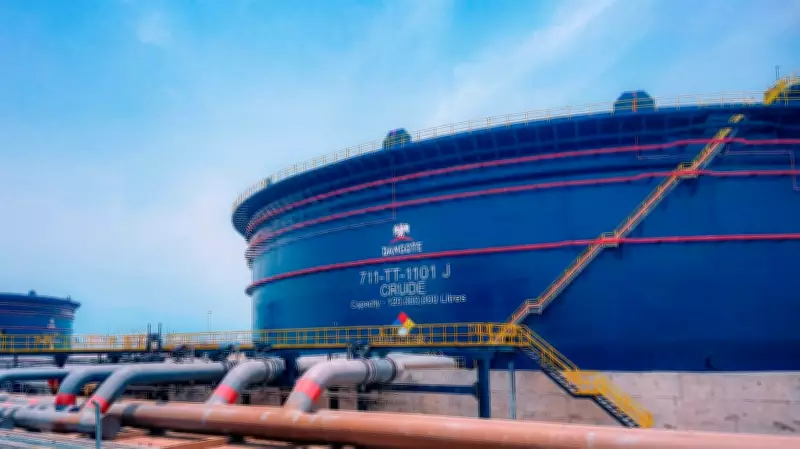
The National Pension Commission (PenCom) has granted approval for the investment of pension assets in the proposed initial public offering (IPO) of Dangote Petroleum Refinery and Petrochemicals. This decision enables pension fund administrators (PFAs) to participate in one of Africa's most significant industrial projects.
Strategic Exception to Investment Regulations
PenCom, in a circular on its website, described this approval as a specific and singular exception to existing investment regulations, citing the refinery's strategic importance to the Nigerian economy. Under current guidelines, PFAs are generally barred from investing contributors' funds in companies without a proven history of profitability and dividend payments. However, the commission noted that the refinery's scale, financial structure, and expected economic impact justified the waiver.
“The commission has carefully evaluated the strategic investment opportunity and the economic impact of the proposed IPO of Dangote Petroleum Refinery and Petrochemical on the pension industry and the wider economy,” PenCom stated.
Access to N29.5 Trillion Pension Assets
The decision effectively grants PFAs access to part of Nigeria's N29.5 trillion pension assets for investment in the refinery. This marks one of the most significant regulatory adjustments in the pension industry in recent years. The refinery, owned by Aliko Dangote through Dangote Industries Limited, is Africa's largest single-train refinery facility with a capacity to process 650,000 barrels of crude daily.
Industry Analysts Applaud the Move
Industry analysts have described PenCom's approval as a bold attempt to channel long-term domestic capital into strategic infrastructure and industrial development. Economist and capital market analyst Johnson Chukwu stated that the approval reflects growing regulatory confidence in infrastructure-backed investments capable of generating sustainable long-term returns.
According to Chukwu, pension funds globally are increasingly investing in infrastructure and industrial assets because such projects align with the long-term nature of retirement savings. He noted that allowing PFAs to participate in the refinery IPO could diversify investment portfolios while supporting industrialization, job creation, and broader economic growth.
This regulatory shift is expected to pave the way for increased pension fund participation in major infrastructure projects across Nigeria, potentially transforming the investment landscape for retirement savings.




