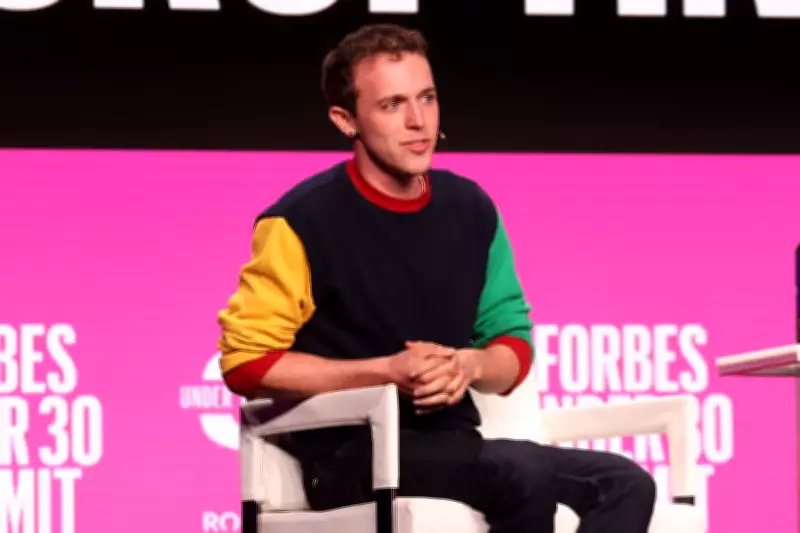
Ryan Breslow, the co-founder and chief executive of US fintech firm Bolt, has defended his decision to dismiss the company's entire human resources department, asserting that the team had been 'creating problems that didn't exist.' The HR team was eliminated as part of sweeping layoffs aimed at returning the struggling business to 'start-up mode.'
Layoffs and Restructuring
In April, the company cut approximately 30 percent of its workforce, marking its fourth round of layoffs in as many years. Speaking at a Fortune event, Breslow explained, 'We had an HR team, and that HR team was creating problems that didn't exist. Those problems disappeared when I let them go.' The 32-year-old entrepreneur added that HR professionals are better suited for 'peacetime' conditions at larger companies rather than a start-up environment focused on rapid growth and efficiency.
Replacement with People Operations Team
Bolt has since replaced the HR department with a smaller 'people operations team' responsible for employee training and support. Breslow emphasized, 'We need a group of people who are very oriented around getting things done, and there is just a culture of not getting things done and complaining a lot.'
Return to Leadership
Breslow stepped down from the company in 2022 but returned in 2025 to revive its fortunes. He claimed Bolt had developed a culture of 'entitlement,' with some employees unwilling to work under the leaner conditions required after the company's decline. 'There's a sense of entitlement that had festered across the company, and people who felt empowered, felt entitled - but weren't actually working hard. And this is the number one thing that I had to battle,' he said. 'Ultimately, most of those people just had to be let go.'
Impact of Artificial Intelligence
Bolt stated that fewer than 40 staff were affected by the latest cuts, which were partly driven by artificial intelligence. In a company-wide Slack message sent in April, Breslow reportedly told employees, 'Developing products and operating in 2026 is very different than it was in prior years, and we need to adapt as an organisation to be leaner and more AI-centric than ever to keep up with competition.'