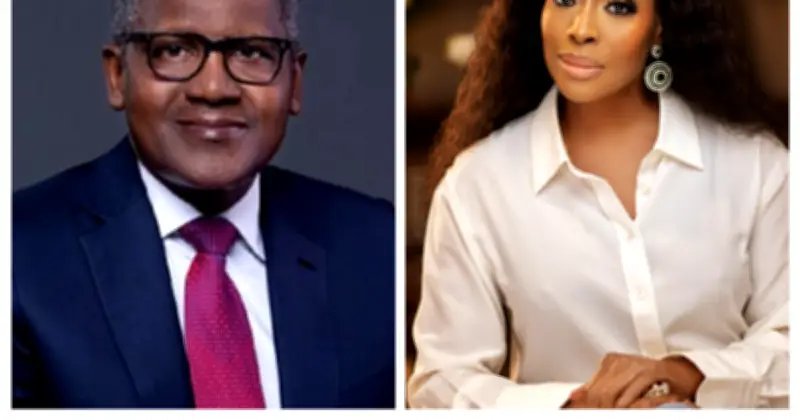
Forbes Africa’s 2026 Icons list includes four Nigerians: Aliko Dangote, Ngozi Okonjo-Iweala, Mo Abudu, and Burna Boy. The list, part of the magazine’s 15th-anniversary edition, recognizes 15 personalities whose ideas, innovations, and voices have had a lasting impact on Africa’s past, present, and future. These four Nigerians represent different fields—business, global trade, media, and music—showing the breadth of Nigerian influence beyond its borders.
Aliko Dangote: From Schoolboy Trader to Industrial Empire
Aliko Dangote, Africa’s richest man, began his business journey in primary school, buying cartons of sweets and distributing them to other children to sell, keeping the profits. While this story is often cited, it can be misleading as a rags-to-riches narrative. Dangote grew up in a prominent trading family; his maternal grandfather, Sanusi Dantata, was a successful trader, and his great-grandfather, Alhassan Dantata, was one of West Africa’s most prominent merchants.
After studying business administration at Al-Azhar University in Cairo, Dangote began his career in 1978, working with his maternal uncle in commodity trading. With a business loan from his uncle, he established his own trading operation dealing in rice, sugar, and cement. The business later expanded into manufacturing, including sugar processing and cement production, and eventually into fertiliser and petroleum refining. Today, his refinery places him at the centre of conversations about local refining, fuel supply, and Nigeria’s industrial capacity. His influence comes from building businesses large enough to shape markets and economic discussions across multiple industries.
Ngozi Okonjo-Iweala: From Nigeria’s Finances to Global Trade Leadership
Ngozi Okonjo-Iweala’s influence stems from a different kind of power—public finance and international economic development. She spent 25 years at the World Bank, rising to managing director, and served twice as Nigeria’s finance minister. In March 2021, she became the first woman and the first African to lead the World Trade Organisation (WTO), which sets rules governing trade between countries. Her role affects how goods and services move across borders, making her position vital for countries seeking international markets. Her career demonstrates that international recognition can be built through years of economic work, negotiations, and policymaking, not just celebrity moments or private business success.
Mo Abudu: From Corporate HR to African Media Entrepreneurship
Mo Abudu’s story resonates with those considering a career change after years in a conventional job. Before television, she worked in human resources, becoming head of HR and administration at ExxonMobil in Nigeria. In 2006, she launched “Moments with Mo,” a talk show showcasing African people, experiences, and perspectives. Despite having no television experience, she persisted. In a Forbes interview, she explained that several pilot episodes were rejected before one was accepted, and she had to find sponsors to get the show off the ground. She also described the difficulty of establishing international relationships and securing opportunities in an industry where recognition and access are hard to obtain.
In 2013, she launched EbonyLife TV, which later expanded into film and television production. In 2026, she announced plans to establish an EbonyLife production hub in London, expanding the company’s operations beyond Nigeria and creating more opportunities to take African stories to international audiences. Her inclusion highlights the role of African-owned media businesses in deciding which stories get produced, financed, and seen globally.
Burna Boy: Taking Nigerian Music to Global Audiences
Burna Boy, born Damini Ebunoluwa Ogulu, has built an international career by taking Nigerian music and wider African sounds to audiences worldwide. A major milestone came in 2021 when his album “Twice as Tall” won the Grammy Award for Best Global Music Album. This recognition followed an album that strengthened his international profile, and subsequent releases and performances continued to expand his audience. His significance also reflects the wider growth of Nigerian music overseas, as artists increasingly reach listeners through streaming platforms, collaborations, and live performances. Burna Boy’s recognition does not mean he single-handedly created that global appetite; rather, his career exemplifies how an artist can turn a distinctly African musical identity into an international proposition. For a country whose cultural exports are often discussed alongside its economic challenges, that reach represents another form of influence—shaping what people listen to, experience, and associate with Nigeria.
Four Different Routes to Influence
These four careers do not follow the same formula. Dangote grew up in a trading family and built an industrial business. Okonjo-Iweala developed a career in international economic institutions. Abudu moved from corporate employment into media entrepreneurship, while Burna Boy built a career around music. Their advantages, challenges, and measures of success differ, too. Being named an icon does not automatically mean that every achievement has improved ordinary Nigerians’ lives or that the four have had identical effects on their respective fields. What connects them is the reach of their work beyond their immediate professions and national borders. One operates at an industrial scale, another helps shape international trade discussions, another works to expand the reach of African storytelling, and another brings Nigerian music to audiences around the world. The list offers a view of Nigerian influence that cannot be captured by a net-worth figure alone.