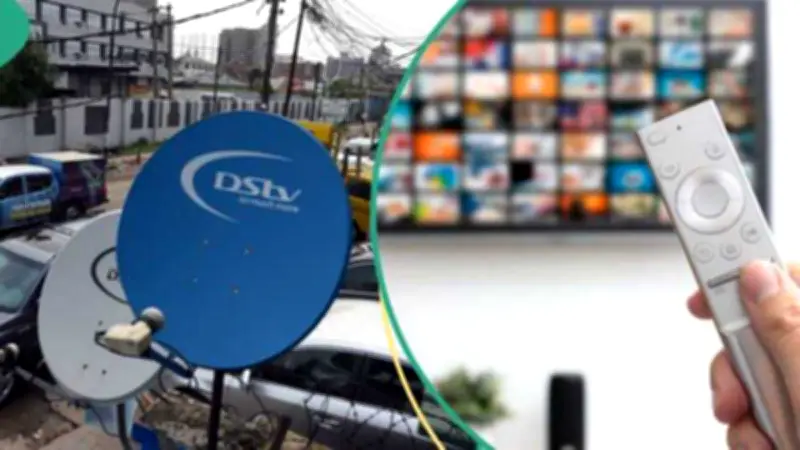
DStv has initiated one of its most significant package restructurings in 15 years, fundamentally changing how subscribers access sports, movies, and general entertainment. The overhaul, effective in South Africa since September 17, 2026, replaces long-standing bouquets with packages built around specific viewing interests, marking a strategic response to streaming competition and shifting consumer demands.
New Package Structure Separates Sports from Entertainment
Under the new South African structure, DStv has replaced Access with Starter, Family with Select, and Compact with a sports-focused package simply called Sports. A new Movies & Series package caters to entertainment-focused viewers, while Premium remains the top-tier bouquet. This represents a deliberate move away from the traditional one-size-fits-all bundle that included sports, movies, and children's programming regardless of individual household needs.
Streaming versions of the new packages are priced at R99 monthly for Starter, R299 for Select, R399 for Sports, R500 for Movies & Series, and R799 for Premium. Satellite prices differ on some packages, according to DStv's announcement.
Nigerian Subscribers Continue with Existing Bouquets
For Nigerian subscribers, the restructuring has not yet replaced the existing local bouquet structure. DStv Nigeria continues to advertise Padi, Yanga, Confam, Compact, Compact Plus, and Premium at their existing naira prices. As of September 2026, Premium costs ₦44,500 monthly, Compact Plus ₦30,000, Compact ₦19,000, Confam ₦11,000, Yanga ₦6,000, and Padi ₦4,400.
Monthly payments translate to significant annual costs: Premium totals ₦534,000 per year, Compact ₦228,000, and Compact Plus ₦360,000. DStv also offers annual subscriptions equivalent to paying for 11 months on several packages, with Premium listed at ₦489,500 annually and Compact at ₦209,000.
Streaming Competition Drives the Change
The restructuring comes as satellite television competes in a fundamentally different entertainment market. Netflix, YouTube, and other internet-based video services have accustomed viewers to on-demand viewing rather than fixed television schedules. Smartphones and smart TVs have made it easier for households to shift between traditional television and internet-delivered entertainment.
DStv has already expanded streaming access alongside its decoder business, but the South African changes go further by acknowledging that subscribers increasingly prefer packages organised around their interests. The new Sports package brings together 17 dedicated sports channels, while Movies & Series creates a separate entertainment-focused option.
Implications for Nigerian Households
For Nigeria, the central question is whether a similar restructuring will eventually reach the market and what the naira pricing would look like. DStv Compact currently costs ₦19,000 monthly and includes Premier League football alongside movies, children's programming, news, and entertainment. Premium costs more than twice that amount at ₦44,500.
A Nigerian version of more specialised packages could change the value calculation for households that subscribe primarily for football or movies and local entertainment. The strategy also reflects how much the pay-TV business has changed: DStv is no longer competing only with another satellite decoder but for the same household entertainment budget spent across mobile data, streaming subscriptions, and online video.
Legit.ng earlier reported that DStv announced the changes on September 7, 2026, with implementation taking effect on Thursday, September 17. The new packages represent one of the biggest shake-ups in more than two decades, introducing dedicated sports and entertainment options while reorganising several existing bouquets and channels. For Nigerian viewers facing subscription bills of as much as ₦44,500 monthly, the bigger issue is whether similar flexibility will arrive locally and whether it will make pay-TV meaningfully cheaper.