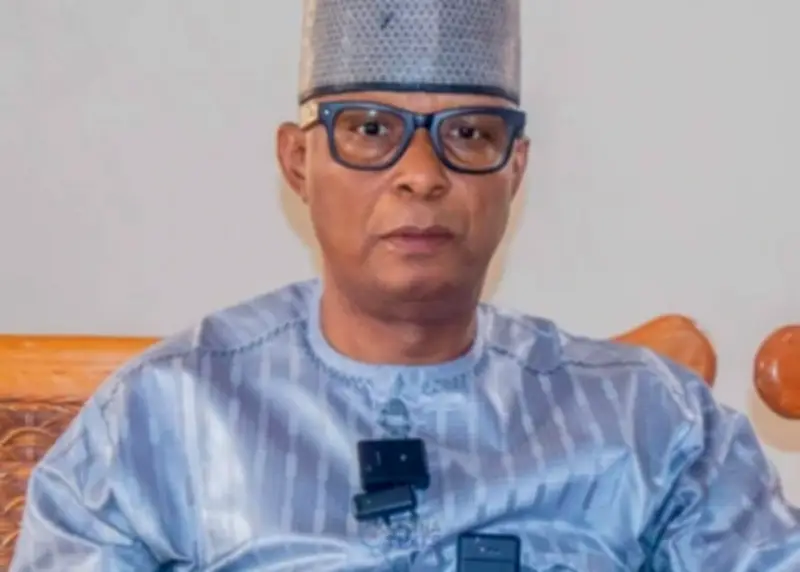
The Federal Government has officially begun the construction of 250 housing units designated for civil servants in Gwagwalada, a suburb of the Federal Capital Territory (FCT), Abuja. The initiative falls under the broader renewed housing agenda of the current administration, which seeks to tackle the persistent housing deficit across Nigeria.
The groundbreaking ceremony took place in Gwagwalada, with top government officials, including representatives from the Federal Ministry of Housing and Urban Development, in attendance. The project is part of a larger plan to deliver affordable and decent housing to Nigerian workers, particularly those in the public service, who have long struggled with accommodation challenges in the capital city.
Project Details and Scope
According to the Federal Ministry of Housing and Urban Development, the 250 housing units will be constructed in phases, with the first phase comprising 100 units. The units are designed as one-bedroom, two-bedroom, and three-bedroom apartments to cater to the diverse needs of civil servants at different salary grades. The project is being executed by a consortium of local contractors, with funding sourced from the Federal Government's budgetary allocation for housing.
Speaking at the event, the Minister of Housing and Urban Development, Arc. Ahmed Musa Dangiwa, stated that the project aligns with President Bola Ahmed Tinubu's Renewed Hope agenda, which prioritizes housing as a key driver of economic growth and social stability. "This is a clear demonstration of this administration's commitment to improving the welfare of our civil servants. We are not just building houses; we are building communities that will enhance productivity and quality of life," Dangiwa said.
Addressing the Housing Deficit
The housing deficit in Nigeria is estimated at over 28 million units, according to data from the Federal Mortgage Bank of Nigeria. The Gwagwalada project is one of several initiatives under the National Housing Programme, which aims to deliver 100,000 housing units annually across the 36 states and the FCT. The government has also partnered with private developers and the Federal Mortgage Bank to provide mortgage financing options for prospective homeowners.
Dangiwa further noted that the project will create thousands of direct and indirect jobs for local artisans, engineers, and laborers, contributing to the government's economic diversification efforts. "We are using local content as much as possible. This means that the materials, labor, and expertise will be sourced locally, which will stimulate the economy and reduce the cost of construction," he added.
Impact on Civil Servants
Civil servants in the FCT have long faced exorbitant rent prices and inadequate housing options, with many forced to commute long distances from satellite towns like Kubwa, Lugbe, and Nyanya. The Gwagwalada project is expected to ease this burden by providing affordable housing within a reasonable distance from the city center. The Federal Government has also introduced a rent-to-own scheme, allowing civil servants to pay for the units in installments deducted directly from their salaries.
A representative of the civil servants, who spoke at the ceremony, commended the government for the initiative but urged for timely completion and transparency in the allocation process. "We have seen many housing projects announced in the past that never saw the light of day. We hope this one will be different. We are ready to cooperate with the government to ensure that the units are allocated fairly," he said.
Next Steps and Completion Timeline
The Federal Ministry of Housing and Urban Development has set a completion timeline of 18 months for the first phase of the project. The ministry will also establish a project monitoring committee comprising officials from the ministry, the Federal Capital Development Authority (FCDA), and civil servant unions to oversee the construction process and ensure adherence to quality standards. The government has also pledged to extend similar projects to other states, with housing units already under construction in Lagos, Kano, and Rivers states.