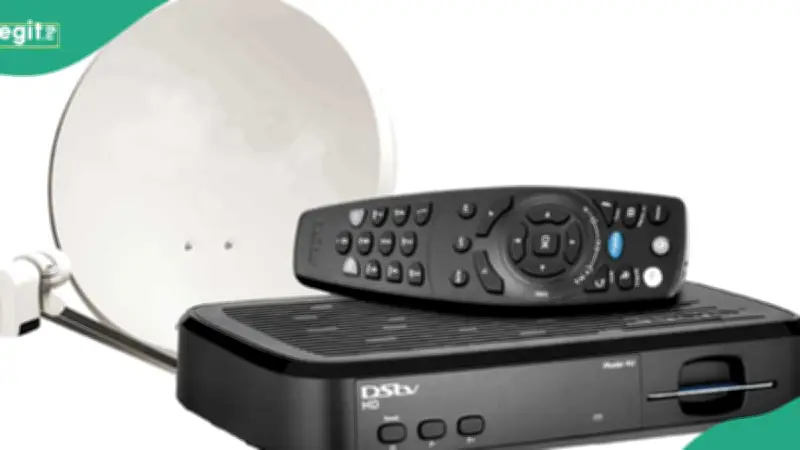
MultiChoice has confirmed that its popular DStv Price Lock contracts are unlikely to return, signalling a major shift in how subscribers pay for decoders and television packages. The pay-TV operator suspended the affordable contracts in July 2026 as part of a broader restructuring aimed at simplifying its subscription offerings and aligning prices across streaming and decoder-based services.
Why MultiChoice Suspended Price Lock Contracts
Speaking to MyBroadband, MultiChoice explained that the suspension was necessary to prevent complications arising from changes to its subscription packages. "Following the launch of our new pack structures, sales of Price Lock (hardware and subscription) contracts were paused in July," the company said. "Existing Price Lock customers continue to be fully supported for the duration of their agreement, and a clear migration framework has now been established for them."
Although the broadcaster initially considered reviewing the contracts, it said its current strategy makes their return unlikely. The development effectively ends the availability of several payment arrangements that allowed customers to spread decoder, installation and subscription costs over 24 months.
New DStv Subscription Prices and Uniform Pricing
Under its revised strategy, MultiChoice is moving towards uniform pricing for streaming and decoder-based packages. The first major change was the introduction of DStv Movies & Series at R500 monthly, regardless of whether subscribers watch through a decoder or online. Previously, decoder-based subscriptions generally cost more than streaming alternatives.
Canal+ Africa CEO for South African pay TV, Byron du Plessis, explained that the company was experimenting with a pricing model already used by Canal+ in other markets. "We want to see if this makes any difference over the next six to twelve months, and then we will eventually move to one or the other," he said. He also confirmed that the identical Movies & Series pricing was not a temporary promotion.
DStv Premium Customers Get a Cheaper Option
Despite discontinuing several Price Lock arrangements, MultiChoice has introduced a separate 24-month subscription contract for DStv Premium customers. The offer reduces monthly payments from R979 to R799, representing a saving of R180 monthly. Over two years, subscribers could save R4,320 compared with paying the previous R979 monthly rate, assuming that rate remained unchanged. However, the offer requires customers to commit to a two-year subscription agreement.
Other decoder-inclusive contracts previously available have been withdrawn. These included an HD Decoder package with installation and DStv Access for R199 monthly, according to a report by MyBroadband. MultiChoice also offered Explora and Explora Ultra bundles with different subscriptions, including Premium packages costing up to R1,099 monthly. Such arrangements helped customers avoid substantial upfront equipment and installation expenses.
What the Changes Mean for Nigerian Subscribers
Although the announced prices apply to South Africa, the restructuring could attract attention among Nigerian DStv customers seeking more affordable subscription options. However, MultiChoice has not confirmed that the South African Price Lock decision or the R799 Premium contract will apply in Nigeria. Nigerian subscribers should therefore not interpret the rand-denominated prices as new local subscription rates.
The broader strategy nevertheless signals Canal+'s intention to simplify DStv packages, reduce pricing differences and rethink how customers access premium television content. Legit.ng earlier reported that MultiChoice Nigeria, now owned by French broadcasting giant CANAL+, has announced October 27, 2026, as the date to unveil its restructured DStv and GOtv subscription packages, raising expectations of possible changes to subscription prices and channel offerings. The announcement comes as millions of Nigerian subscribers grapple with rising living costs and increasing competition from streaming platforms such as Netflix, Amazon Prime Video and YouTube.