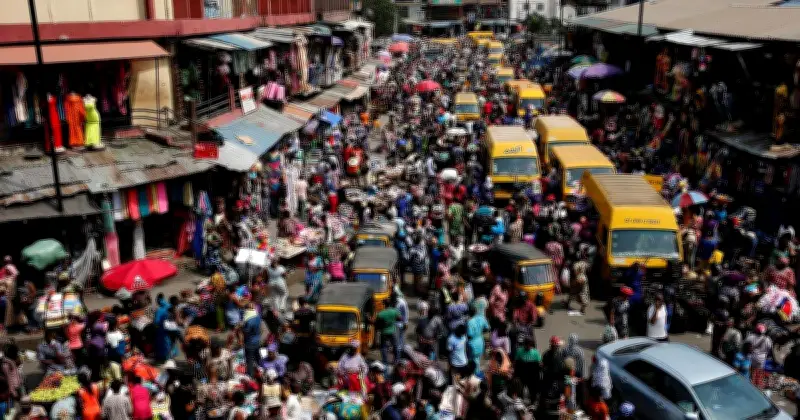
Nigeria, Africa's most populous country, ranks first globally for the number of people living in extreme poverty in 2026, with an estimated 73.1 million affected, according to figures attributed to World Data Lab and reported on October 19, 2026.
Nigeria's Position in the 2026 Global Extreme Poverty Ranking
The country, with a population of 242,431,832 in 2026, leads the ranking ahead of the Democratic Republic of Congo (DRC), which has an estimated 71.6 million people living in extreme poverty. The difference between the two countries is 1.5 million.
Afghanistan ranks third with 35.2 million people, followed by Mozambique with 25 million and Yemen with 24.2 million, according to the figures. The ranking measures the absolute number of people living in extreme poverty, rather than the proportion of each country's population affected. Nigeria's large population is an important factor when interpreting its position.
Nigeria Also Ranked First in 2025 Based on World Bank Data
Nigeria's position at the top is not limited to the 2026 World Data Lab ranking. A separate comparison based on World Bank Poverty and Inequality Platform data also placed Nigeria first in 2025, with an estimated 94.7 million people living in extreme poverty. DR Congo ranked second with 81.9 million.
However, these figures do not prove that Nigeria's extreme-poverty population fell from 94.7 million to 73.1 million in a year. The estimates come from different data presentations and modelling approaches, so they do not establish a reliable year-on-year change. For instance, the World Bank changed its international extreme-poverty line in June 2025, raising the threshold from $2.15 to $3 per person per day, measured in purchasing-power-parity terms, using 2021 prices instead of 2017 prices.
What the Global Poverty Ranking Tells Us About Nigerian Households
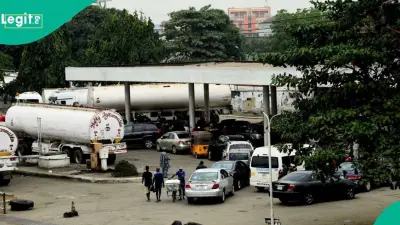
For millions of Nigerians, economic hardship means struggling to afford food, transport and electricity bills, with little or nothing left to save after paying for basic needs. PiggyVest's 2025 Savings Report offers a glimpse into that pressure. Based on a survey of more than 26,000 Nigerians across the country's six geopolitical zones, it found that 53% of respondents did not save money, up from 43% in 2024 and 21% in 2023. Only 40% said they saved monthly, down from 64% in 2023.
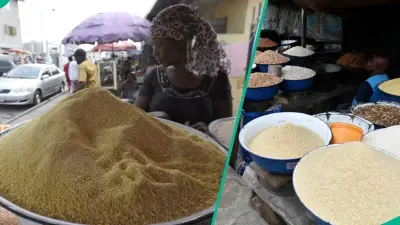
The strain also shows up in household spending. Food and groceries were the biggest personal expense for 72% of respondents, while utilities, transport and housing added to the cost of getting through the month. More than half said they entered each month unsure whether their income would cover basic expenses, and only 6% described themselves as financially secure and content.
These findings do not measure extreme poverty directly, but they illustrate the financial pressures facing households across income levels. When earnings cannot keep pace with essential expenses, saving becomes harder, and families have less protection against emergencies. That context helps explain the significance of Nigeria's position in the global ranking.