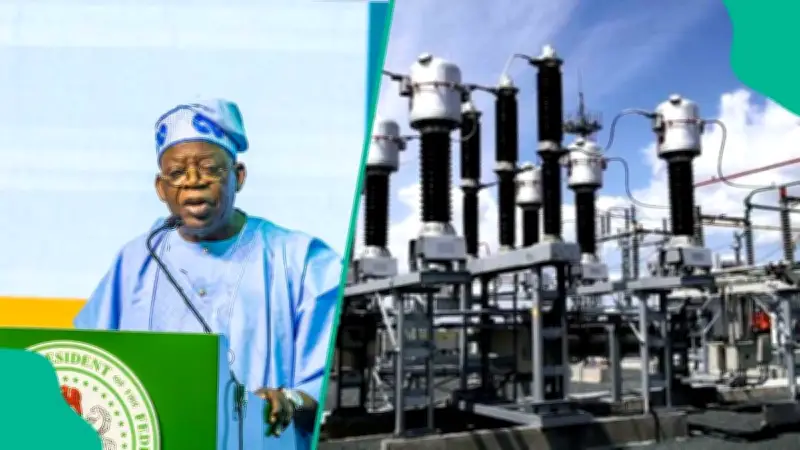
The Nigerian Electricity Regulatory Commission (NERC) approved captive power generation permits for 10 institutions in the first half of 2026, enabling them to generate a combined 54.94 megawatts (MW) of electricity for their own use. The approvals, detailed in NERC’s quarterly reports, come as organisations, particularly universities, seek more reliable and affordable electricity amid high grid tariffs.
Captive Power Permits: Seven in Q1, Three in Q2
According to NERC’s report, seven permits were issued in the first quarter of 2026, covering a combined capacity of 40.82MW. Three additional permits were granted in the second quarter, adding 14.12MW. Captive power generation allows organisations to operate power plants exclusively for their consumption, without selling the electricity produced to third parties.
The institutions approved in the first quarter include Modibbo Adama University, Yola, Adamawa State (5MW); Federal University Dutsin-Ma, Katsina State (1.9MW); Federal University of Lafia, Nasarawa State (1.6MW); University of Uyo, Akwa Ibom State (2.9MW); University of Port Harcourt, Rivers State (10.7MW); University of Port Harcourt Teaching Hospital, Rivers State (10.7MW); and Nigerian Breweries Plc, Kaduna State (8.02MW).
In the second quarter, NERC approved permits for BUA Cement Plc in Sokoto State (12MW), African Consulting Office Energy Solutions in Jigawa State (1MW), and Power Gas Ebedei Limited in Delta State (1.12MW).
Universities Seek Alternatives Amid High Band A Tariffs
The approvals come as some tertiary institutions face difficulties meeting electricity bills following tariff increases for Band A customers. According to Daily Trust, several universities have experienced power disruptions after accumulating bills they could not afford to pay. The situation has triggered protests and extended holidays at some institutions as managements negotiate with electricity distribution companies over payment arrangements.
The rising cost of grid electricity has also encouraged institutions to explore independent power generation to maintain essential services and academic activities. Many institutions have relied on diesel-powered generators to keep their campuses operational, increasing their running costs.
FG Promotes Solar Power Through Energizing Education Programme
Meanwhile, the Federal Government has been promoting solar power as another option for universities through the Rural Electrification Agency (REA). REA Managing Director Abba Aliyu said 22 federal universities and three affiliated teaching hospitals had been connected to solar electricity through the agency’s Energizing Education Programme.
The Minister of Education, Dr Maruf Tunji Alausa, said the initiative was designed to provide universities with dependable and sustainable electricity for teaching, research, student accommodation and healthcare services. According to the minister, unreliable power supply has disrupted academic activities and scientific research for years while placing additional financial pressure on university administrators.
Alausa said dedicated renewable energy systems would help reduce the burden of electricity expenses and enable universities to channel more resources into research, academic infrastructure and essential equipment.
The combination of captive power permits and government-backed solar projects reflects efforts by institutions to reduce their dependence on the national grid and secure more reliable electricity for their operations.