The Federal Government has renewed its commitment to deploying one million compressed natural gas (CNG)-powered vehicles across Nigeria, aiming to reduce transportation costs through faster vehicle conversions and expanded refuelling infrastructure.
Minister of State for Petroleum Resources (Gas), Ekperikpe Ekpo, issued the directive in Abuja over the weekend while receiving progress reports from the Presidential Initiative on Compressed Natural Gas and Electric Vehicles and the Decade of Gas Secretariat.
Government’s Directive and Strategic Focus
According to a statement released on Sunday by the minister’s spokesman, Louis Ibah, Ekpo urged both bodies to identify priority areas for intervention, expand infrastructure, and strengthen programmes to encourage nationwide adoption of CNG.
The minister emphasised that the government is committed to ensuring its autogas policy delivers practical benefits to Nigerians, particularly by reducing transportation costs following the removal of the petrol subsidy.
Ekpo noted that Nigeria’s abundant natural gas resources could help lower transport expenses, boost domestic gas consumption, and support economic growth.
President Tinubu’s Directive and Economic Impact
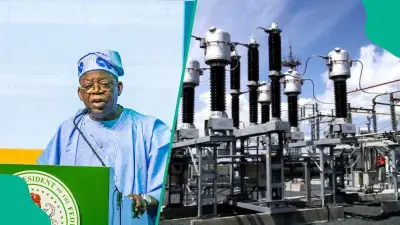
The minister also stressed the need to implement President Bola Tinubu’s directive to make transportation more affordable through the adoption of CNG-powered vehicles.
He reaffirmed the government’s commitment to supporting the initiative and expanding access to gas as an alternative fuel for road transportation.
CNG is generally cheaper than petrol on an energy-equivalent basis, making it a potential cost-saving option for commercial transport operators and private motorists.
Challenges and Infrastructure Expansion
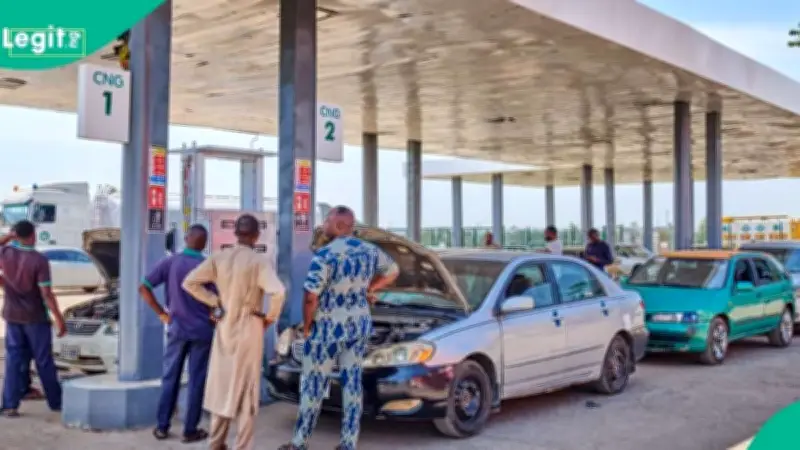
However, the extent of the savings depends on the availability of refuelling stations, the cost of converting vehicles, a reliable gas supply, and whether transport operators pass reduced fuel expenses on to passengers through lower fares.
The Chairman of the Presidential Initiative on CNG and Electric Vehicles, Ismaeel Ahmed, said the initiative would intensify investments and programmes to expand refuelling infrastructure and increase the number of vehicles converted to run on gas.
He explained that the effort was intended to make CNG more accessible to transport operators and help reduce transportation costs for millions of Nigerians.
Path to One Million CNG Vehicles
The renewed push places greater emphasis on expanding the infrastructure needed to support the government's target of deploying one million CNG-powered vehicles nationwide.
Achieving the target will require coordinated efforts to increase conversion capacity, establish more refuelling facilities, and ensure transport operators can access affordable, dependable gas supplies.
The government hopes wider adoption of CNG will give motorists a cheaper alternative to petrol while easing the financial pressure of rising transport costs on households and businesses.