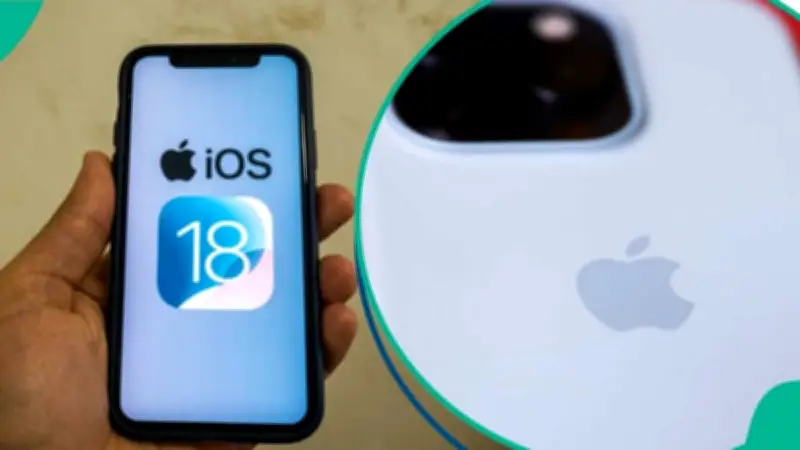
Apple's iPhone 18 Pro and iPhone 18 Pro Max are among the most talked-about premium smartphones of 2026, but Android manufacturers are not surrendering the flagship battle. The iPhone 18 Pro series brings Apple's latest A20 Pro chip, improved cameras, longer battery life, and a growing suite of artificial intelligence features. With the iPhone 18 Pro starting at $1,199 and the Pro Max at $1,299, buyers are firmly in premium territory.
For Nigerians considering spending heavily on a new flagship phone, Apple is far from the only option. Several Android devices offer bigger batteries, faster charging, powerful zoom cameras, and other features capable of challenging Apple's newest phones, according to a Vanguard report.
Samsung Galaxy S26 Ultra: The Most Obvious Android Rival
Samsung's Galaxy S26 Ultra is perhaps the most obvious Android rival to the iPhone 18 Pro Max. The flagship combines a 6.9-inch Dynamic AMOLED 2X display with a 120Hz refresh rate, a Snapdragon 8 Elite Gen 5 for Galaxy processor, and configurations offering up to 16GB RAM and 1TB storage.

Photography is another major attraction. Its camera array is led by a 200MP main sensor, alongside 50MP ultrawide and telephoto cameras. A 5,000mAh battery, 60W wired charging, and S Pen support give Samsung additional selling points for productivity-focused users.
Google Pixel 11 Pro XL: AI and Computational Photography
Google's Pixel 11 Pro XL takes the fight to Apple through artificial intelligence and computational photography. Powered by Google's Tensor G6 processor, the device offers up to 16GB of RAM and 1TB of storage. Its camera system combines a 50MP main sensor with 48MP ultrawide and 48MP 5x telephoto cameras.
The Pixel's biggest attraction is Google's deep integration of AI into photography and everyday smartphone functions, making it a strong choice for consumers interested in intelligent software rather than specifications alone.
Xiaomi 17 Ultra: Leica-Branded Cameras and Fast Charging
For photography enthusiasts, the Xiaomi 17 Ultra presents an intriguing alternative. Its Leica-branded camera system includes a 50MP main camera with a one-inch sensor and a 200MP telephoto camera designed for advanced zoom photography.
Xiaomi pairs the Snapdragon 8 Elite Gen 5 processor with a huge 6,000mAh battery and 90W HyperCharge technology. That means users get considerably faster charging alongside powerful cameras and flagship-level performance.
OnePlus 15: Gaming and Speed Focus
The OnePlus 15 targets buyers who prioritise gaming, speed, and battery performance. It combines the Snapdragon 8 Elite Gen 5 processor with a 165Hz LTPO display, exceeding the 120Hz refresh rate common among many premium smartphones.
OnePlus also uses an advanced cooling system designed to maintain performance during demanding gaming and other intensive workloads. For gamers who may not need Apple's tightly integrated ecosystem, that combination makes the OnePlus 15 particularly compelling.
Vivo X300 Pro: Photography-Heavy Flagship
Vivo's X300 Pro completes the list with another photography-heavy flagship. Its camera system features a 50MP main camera, 50MP ultrawide, and 200MP ZEISS APO telephoto camera with optical image stabilisation.
The smartphone is powered by MediaTek's Dimensity 9500 processor and offers up to 16GB RAM. A massive 6,510mAh battery in some markets, alongside 90W wired and 40W wireless charging, strengthens its appeal to heavy users.
Ultimately, Apple still has major advantages in ecosystem integration, software support, and brand loyalty. But buyers willing to consider Android now have several premium alternatives offering serious competition in cameras, charging, battery capacity, gaming, and AI.