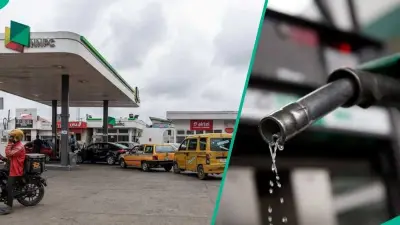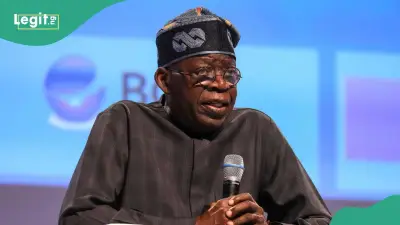
The African Export-Import Bank (Afreximbank) and the African Petroleum Producers' Organisation (APPO) have formally launched the Africa Energy Bank (AEB) with its headquarters in Abuja, Nigeria. The new institution, with an authorised capital of $5 billion, will support investments in oil, gas and other energy infrastructure across the continent.
The establishment was announced at the bank's inaugural general meeting in Abuja, marking a significant step in addressing Africa's energy financing challenges. The move comes as African countries face increasing difficulties accessing international financing for energy projects, particularly fossil fuel developments.
Addressing the $200 Billion Financing Gap
Afreximbank described the bank's creation as a demonstration of African governments' commitment to securing the continent's energy future. The institution stated that substantial investments in electricity generation, transmission and other energy infrastructure were necessary to accelerate industrialisation and unlock opportunities presented by emerging technologies, including artificial intelligence.
According to Afreximbank, Africa requires an estimated $200 billion in energy investments to meet its development needs. However, traditional lenders are increasingly withdrawing financing from fossil fuel projects as global financial institutions shift towards cleaner energy sources. This has created funding challenges for African economies that depend heavily on oil and gas for electricity generation, industrial production and government revenue.
Mandate and Operations
The Africa Energy Bank is designed to mobilise capital for critical projects across the continent, supporting exploration, production, transportation, processing, refining and distribution of energy resources, Vanguard reports.
Afreximbank explained that the initiative would strengthen Africa's productive capacity, reduce dependence on imported petroleum products and encourage greater trade among African countries. The bank will also promote increased African ownership and participation in the energy industry, ensuring the continent plays a leading role in determining its energy development priorities.
Beyond financing conventional energy projects, the institution is expected to support Africa's transition towards a more sustainable energy system without undermining economic growth.
First President Appointed
The inaugural general meeting also saw the appointment of Mr Helmy Ghazi as the Africa Energy Bank's first president. The meeting approved the establishment of the institution's inaugural Board of Directors, which will comprise representatives from the public and private sectors alongside leading policy institutions across Africa.
AEB will operate as an independent, supranational pan-African financial institution, attracting funding from governments, national oil companies, financial institutions and private investors.
Implications for Nigeria
Nigeria's selection as the bank's headquarters strengthens its position as a major centre for energy investment and financing in Africa. For Nigeria, the institution could provide additional financing opportunities for refinery expansion, gas infrastructure, petroleum transportation and other strategic energy projects.
The initiative could also support efforts to reduce fuel import dependence, improve domestic energy security and attract investment into the country's petroleum industry. However, the bank's long-term impact will depend on its ability to mobilise capital and translate its financing mandate into viable projects across Africa.
Legit.ng earlier reported that Ahmed Farouk, the chief executive officer of the Nigerian Midstream and Downstream Petroleum Regulatory Authority (NMDPRA), hinted that the Africa Energy Bank's operations would soon begin in Nigeria. The NMDPRA's boss informed industry players at the opening of the 18th edition of the Oil Trading and Logistics (OTL) conference in Lagos that plans were in place to establish a continental bank to provide the necessary funding to fast-track the growth of Africa's energy supply infrastructure.