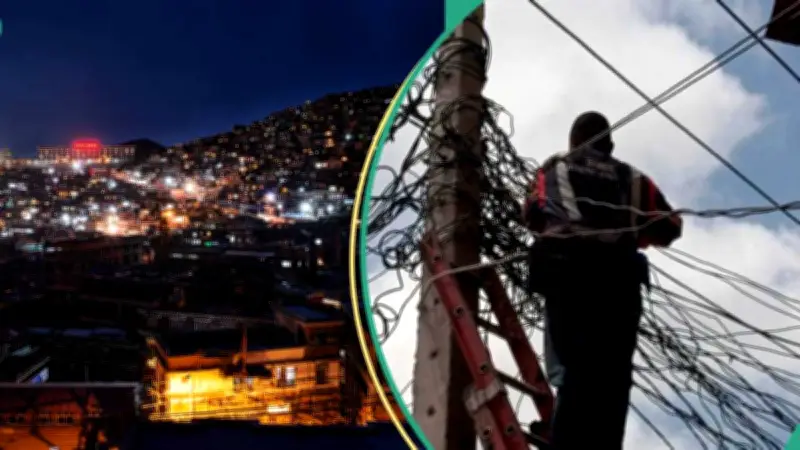
Mainpower Electricity Distribution Limited (MEDL) has announced that scheduled power interruptions will affect thousands of customers across several communities in Enugu State for six days, from November 5 to 10, 2026.
The distribution company, a subsidiary of the Enugu Electricity Distribution Company (EEDC), said the outages are necessary to allow the Transmission Company of Nigeria (TCN) to carry out maintenance work at its Nsukka transmission station.
Outage Dates and Duration
In a statement issued on Monday, October 26, 2026, MEDL spokesperson Emeka Ezeh said electricity supply will be interrupted between 9 a.m. and 5 p.m. daily, representing eight hours of scheduled outages each day.
The maintenance exercise will affect customers connected to the University of Nigeria Nsukka (UNN), SUMAS, and Orba 33kV feeders. Ezeh explained that TCN engineers will use the period to carry out essential technical work on equipment at the transmission station, adding that the exercise is intended to improve electricity reliability and service quality.
Affected Communities Across Six LGAs
Although the initial announcement referenced four local government areas, the communities identified in the statement extend across at least six council areas, including Nsukka, Udenu, Uzo-Uwani, Igbo-Eze North, Igbo-Eze South, and Igbo-Etiti.
The affected locations include Ukopi, Opi Agu, Eha-Alumona, Orba Town, Obollo-Afor, parts of Obollo-Eke, Enugu Ezike, Ibagwa, Nkalagu Obukpa, Okpaligbo, Iheaka, Edem Ani, Agbani, Uzo-Uwani, Obimo, Nkpologu, Lejja, Nguru, Aku, Ogbede, Odim Gate, Nkpor, Nru, Ede Oballa, El Tabera Estate, Ikenga Estate, Wilson Company, Umakashi, Isiakpu, GRA, Ogige Main Market, and the University of Nigeria Nsukka and surrounding communities.
Residents and business owners in these locations are expected to experience interruptions during the announced maintenance hours.
Cause of Supply Drop
MEDL has attributed the recent deterioration in electricity supply across Enugu State to reduced power generation nationwide. In a separate statement, Ezeh explained that declining electricity generation has caused low system frequency, forcing TCN to introduce load shedding.
According to him, the development has reduced the volume of electricity allocated to MEDL, affecting its ability to meet daily service commitments. The company said the supply challenges are not entirely within its control, as electricity distribution depends on available generation and transmission capacity.
MEDL assured customers that it will continue monitoring electricity allocation and distributing available power across its network. The company expressed optimism that normal electricity supply will return once the broader generation challenges are resolved. Ezeh appealed to affected residents for patience and understanding, and the company apologised for the inconvenience the exercise could cause households, commercial establishments, and institutions across the affected communities.