
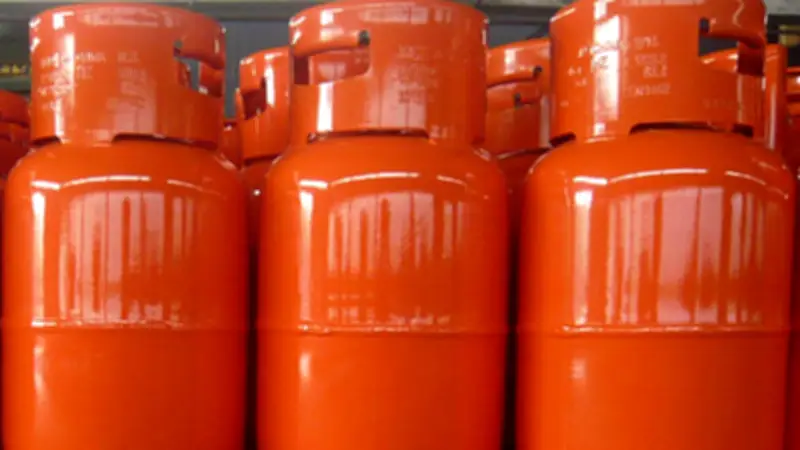
Residents of Awka, the capital of Anambra State, are expressing deep concern over the continuous rise in the price of cooking gas, which has surged to N1,700 per kilogram. Many households are struggling to afford the essential commodity, prompting calls for urgent government intervention.
Soaring Prices Hit Households Hard
The price of liquefied petroleum gas (LPG), commonly known as cooking gas, has seen a significant increase in recent weeks. In Awka, a kilogram of cooking gas now costs between N1,600 and N1,700, depending on the retailer. This represents a sharp rise from previous months, when prices were around N1,200 per kilogram.
Residents have lamented the impact of the price hike on their daily lives. Mrs. Ngozi Okonkwo, a mother of three, said she now spends over N10,000 weekly on cooking gas, a significant portion of her family's income. "We are really suffering. The price of everything is going up, but our salaries are not increasing. We need the government to do something," she said.
Businesses Also Affected
Small business owners, particularly those in the food industry, have also been affected. Mr. Chinedu Okafor, who runs a small restaurant in Awka, said he has had to increase the prices of his meals to cover the rising cost of gas. "I used to spend N15,000 on gas per week, but now it's almost N25,000. I have no choice but to increase my prices, but I'm losing customers," he said.
Market Forces and Supply Issues
Dealers attribute the price hike to multiple factors, including the high cost of importing gas, the devaluation of the naira, and increased global demand. Mr. Emeka Nwosu, a gas retailer in Awka, explained that the price at which they purchase gas from depots has increased significantly. "We are not making much profit. The cost of transportation and logistics has also gone up. The situation is difficult for everyone," he said.
Call for Government Intervention
Many residents are calling on the federal and state governments to intervene to stabilize prices. Some suggest that the government should subsidize cooking gas or provide alternative energy sources. Others advocate for the development of local gas production to reduce dependence on imports.
Mrs. Adaobi Eze, a civil servant, said, "The government needs to act fast. Many people are going back to using firewood and charcoal, which is harmful to health and the environment. We need a lasting solution."
Broader Economic Context
The price hike in Awka is reflective of a national trend. Across Nigeria, cooking gas prices have risen sharply, adding to the financial burden on households already grappling with high inflation. The National Bureau of Statistics reported that the average price of cooking gas increased by over 30% in the past year.
Analysts say that without significant policy changes, the prices may continue to rise. They recommend that the government invest in local refining and encourage the use of alternative energy sources like biogas and solar energy.
Conclusion
As the cost of cooking gas continues to soar, residents of Awka are hoping for swift action from the government. The situation highlights the broader economic challenges facing Nigeria, where rising commodity prices are putting pressure on household budgets. Until a solution is found, many will continue to struggle to afford this essential commodity.




