
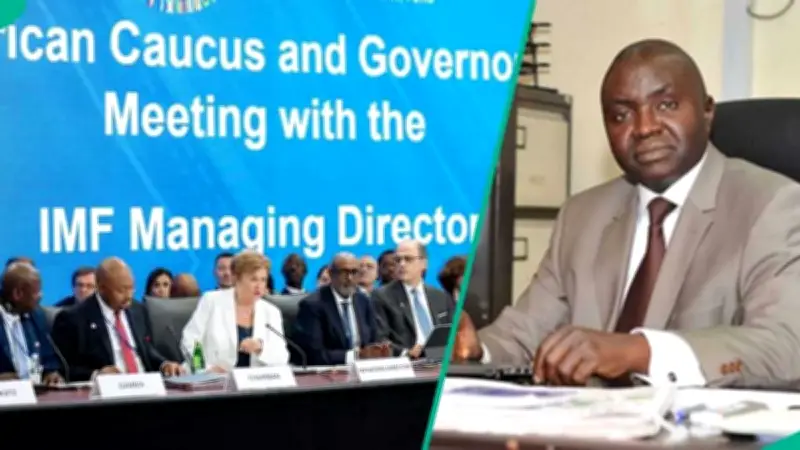
The Centre for the Promotion of Private Enterprise (CPPE) has described the International Monetary Fund's (IMF) Article IV Consultation Report on Nigeria as an "objective assessment" of ongoing reforms in the country, but stressed that a strong policy balance is needed to ensure reforms translate into welfare gains for citizens.
CPPE's Assessment of the IMF Report
In a statement by Muda Yusuf, Chief Executive Officer of CPPE, the group noted that the IMF's assessment of economic reforms in Nigeria aligned with its own view that current policies have helped achieve macroeconomic stability in Africa's largest economy. The reforms have resulted in stable forex markets, improved external sector position, increased investor confidence, and renewed policy credibility.
CPPE stated: "The fall in exchange rate volatility, rise in foreign reserves, increased capital flows, and increased corporate earnings are evidence of macroeconomic stability in the country following years of distortions."
However, CPPE maintained that macroeconomic stabilisation must now be translated into improved standards of living. Performance should be measured not only by indicators but also by improvements in living standards, reduction in poverty, lower food prices, job creation, and higher income levels. The group stressed: "Citizens' welfare outcome is the ultimate yardstick of reforms."
Efforts should now be channelled towards the next phase of policy aimed at securing inclusive growth and shared prosperity.
Interest Rate Concerns
CPPE also expressed concerns about the impact of a tight monetary policy regime, specifically the high interest rate, which has made borrowing too expensive for firms, leading to constrained investment and employment. According to the group, high yields on government securities drive banks and other investors into "risk-free assets," crowding out investment in productive sectors and slowing down manufacturing growth.
The think tank believes development finance remains significant in Nigeria as institutional constraints limit access to cheap, long-term credit in key sectors like agriculture, manufacturing, and infrastructure. A market-based financing model will leave productive sectors under-financed, requiring "development finance intervention to support productivity and economic transformation."
Debt Servicing
On public finance, CPPE noted that high interest rates have raised debt servicing costs, reducing fiscal resources for investment in infrastructure, health, and education. While welcoming government plans to refinance part of the debt portfolio to ease fiscal burden, CPPE stressed that overdependence on foreign portfolio capital—which is speculative and sensitive to global sentiments—should be moderated. The group advocated increased emphasis on exports, foreign direct investment, and domestic productivity.
Cash Transfer Programme
CPPE questioned the efficacy of the cash transfer programme as the primary policy for poverty reduction, adding that expenditure directly channelled into investment in infrastructure, education, and health would provide a more durable contribution to livelihoods. It called for coordinated efforts from the three tiers of government to achieve Nigeria's economic transformation.
Earlier reports indicated that Nigeria's debt service obligations surged in the final quarter of 2025, with total domestic debt service rising to N2.28 trillion and external debt service payments standing at $1.80 billion. The Debt Management Office public debt report revealed mounting fiscal pressures as interest payments continued to dominate debt servicing costs across both domestic and external obligations.




