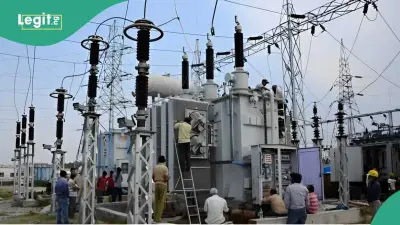
Nigeria's domestic refining sector recorded a major milestone in September 2026 as Edo Refinery exceeded full production capacity, while four operational modular refineries collectively supplied 620,000 litres of diesel daily to the Nigerian market. According to the September 2026 factsheet released by the Nigerian Midstream and Downstream Petroleum Regulatory Authority (NMDPRA), Edo Refinery achieved an average capacity utilisation of 104.24%, the highest among all assessed facilities.
Edo Refinery Leads in Capacity Utilisation
The NMDPRA report, reviewed by Petroleumprice.ng, highlighted Edo Refinery's exceptional performance, with actual throughput surpassing the benchmark capacity. Walter Smith Refinery emerged as the largest diesel producer, averaging 290,000 litres daily and supplying 310,000 litres to the domestic market, compared with Edo Refinery's daily production and supply of 90,000 litres.
Aradel Refinery produced 140,000 litres daily but supplied 120,000 litres, while OPAC recorded production of 140,000 litres and domestic supply of 110,000 litres. Duport Refinery remained shut down throughout the reporting period, with no production or supply figures recorded.
Utilisation Rates and Operational Challenges
The regulator classified Edo Refinery's 104.24% utilisation as high, while Walter Smith recorded moderate utilisation of 62.25%. Aradel and OPAC operated at significantly lower rates of 31.90% and 18.43%, respectively. A utilisation rate exceeding 100% indicates that actual throughput surpassed the benchmark capacity used for measurement, although the regulator did not explain the factors behind Edo Refinery's performance.
The NMDPRA identified feedstock challenges and maintenance shutdowns as factors affecting operations at Aradel and OPAC. These constraints underscore the difficulties confronting smaller refiners seeking to sustain production and compete in Nigeria's petroleum market.
Diesel Demand Rises Despite Declining Supply
The report revealed that Nigeria's average daily diesel consumption increased to 14.5 million litres in September, compared with 14.3 million litres in August. However, the four operational modular refineries supplied just 4.3% of national diesel consumption.
More concerning was the 40% decline in average daily diesel receipts, which dropped from 14.5 million litres in August to 8.7 million litres in September. Domestic receipts fell by 39% to 8.1 million litres daily, while imports declined by 54% to approximately 600,000 litres. Despite these reductions, Nigeria maintained diesel stock sufficiency of 49.7 days, comfortably exceeding the regulatory benchmark of 30 days.
Impact on Dangote and Diesel Prices
The performance of modular refineries signals opportunities for greater competition and diversification of Nigeria's domestic fuel supply. However, their combined 4.3% contribution to diesel consumption suggests that their immediate influence on nationwide prices remains limited.
Unlike the Dangote Refinery, which operates on a much larger scale, modular facilities face capacity limitations and operational challenges. Nevertheless, sustained production improvements could gradually reduce import dependence and strengthen competition in Nigeria's diesel market.
The report also showed that crude oil receipts across domestic refineries declined by 9%, from 681,000 barrels daily in August to 618,000 barrels in September. Between January and September, Nigerian refineries received 156.51 million barrels of crude, with domestic sources accounting for 80.4%.