
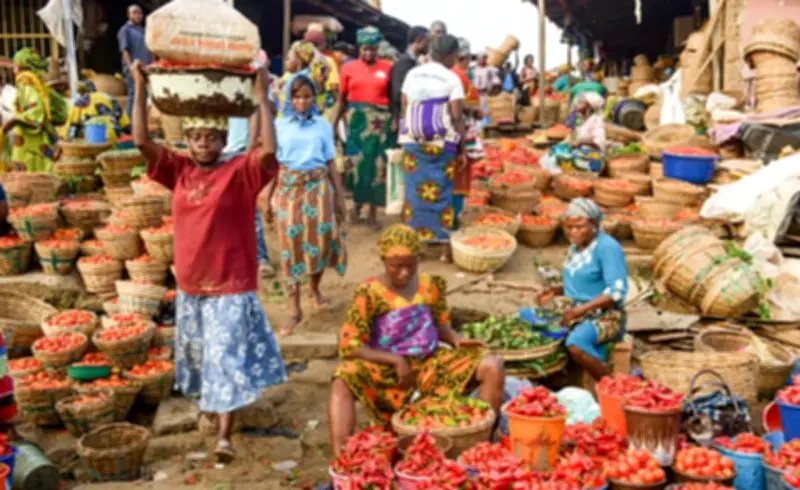
Youth Concerns Shift from Politics to Economy
A recent Afrobarometer survey has revealed a dramatic shift in priorities among African youths, with food and fuel prices now eclipsing political instability as their primary concern. According to the 2024 report, 68% of respondents aged 18-35 identified the rising cost of living, particularly food and fuel, as their top worry, compared to 52% who cited political instability.
Economic Hardship at the Forefront
The survey, which polled over 45,000 young people across 34 African countries, highlights the severe impact of inflation and supply chain disruptions. “We are seeing a generation that is more worried about putting food on the table than about coups or conflicts,” said Dr. Ngozi Okonjo-Iweala, a development economist commenting on the findings. She added, “This is a wake-up call for governments to prioritize economic stability.”
Breaking Down the Numbers
In Nigeria, the proportion of youths citing high food prices rose from 55% in 2021 to 74% in 2024. Similarly, in Kenya, fuel price concerns jumped from 41% to 63%. Political instability, while still significant, dropped to third place overall, behind unemployment and corruption. Only 22% of respondents said they feared political violence or civil unrest most.
Implications for Governance and Policy
This shift has profound implications. Governments that fail to address economic grievances risk losing the support of a youthful population that makes up more than 60% of Africa’s populace. “Young people are not apathetic; they are simply prioritizing survival,” noted Abdul Mohammed, a policy analyst at the African Centre for Economic Transformation. He emphasized that sustainable solutions must include investment in agriculture, local refining capacity, and social safety nets.
Regional Variations Exist
While the trend is continent-wide, regional differences persist. In West Africa, food price concerns were highest (76%), while in East Africa, fuel costs dominated (69%). Conversely, in Southern Africa, political instability remained a close second at 48%. The survey also found that young women were slightly more worried about food prices than men, reflecting their role in household provisioning.
Youth Demand Action, Not Just Promises
Respondents expressed frustration with government responses. Only 27% believed their leaders were doing enough to curb price hikes. Many called for subsidies, price controls, and support for local production. “We cannot eat democracy when there is no food,” said 24-year-old trader Fatima Suleiman from Kano, Nigeria. The survey underscores a growing disconnect between political elites and the economic realities of ordinary youth.
Conclusion: A Defining Issue for the Decade
As Africa’s youth bulge continues, the ability to manage basic commodity prices may become the defining test of governance. With climate change and global market volatility exacerbating pressures, the shift from political to economic concerns is unlikely to reverse soon. Policymakers must adapt or risk social unrest from a generation that feels unheard.




