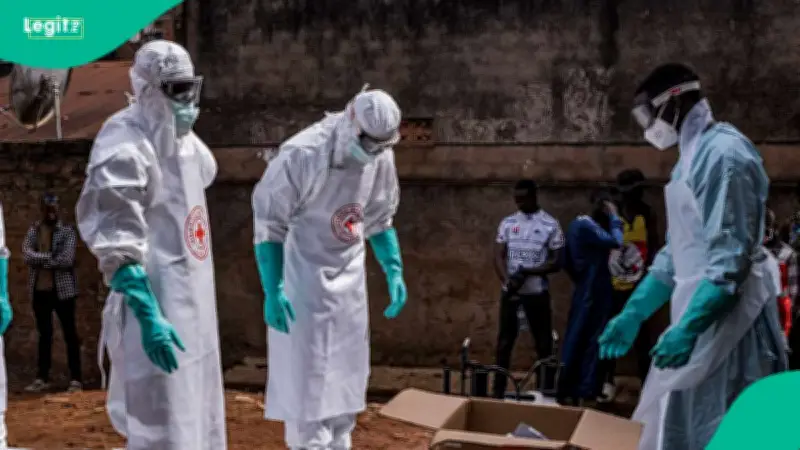
The Nigeria Centre for Disease Control and Prevention (NCDC) has confirmed that no Ebola case has been recorded in the country as of October 6, but warned that Kenya's imported Ebola case raises the risk of the virus entering Nigeria through travel. The agency has been strengthening detection and response measures since the DRC outbreak began, including a national tabletop simulation exercise and new guidance for travellers and health workers.
Kenya's Imported Case and How It Spread
According to the World Health Organisation (WHO) Regional Office for Africa, the patient was a Kenyan citizen who had been living in the Democratic Republic of the Congo (DRC), where a large-scale Bundibugyo virus outbreak is ongoing. The individual travelled by road from the DRC to Kampala, Uganda, before boarding a flight to Nairobi. Symptoms developed after arrival, and samples tested positive for the Bundibugyo virus at Kenya's National Virology Reference Laboratory and the Kenya Medical Research Institute.
Despite receiving supportive care, the patient died on the night of October 5 and was buried on Tuesday under Kenya's safe and dignified burial protocol. Kenya's confirmed case makes it the fourth country linked to the current outbreak, joining the DRC, Uganda, and France, which reported a travel-related case in June. Uganda's outbreak was declared over in August.
The DRC remains the worst-affected country. WHO figures as of September 23 showed 7,890 confirmed cases and 3,799 deaths, putting the crude case fatality ratio at 48.1 per cent. The outbreak has spread across 63 health zones in seven provinces.
Nigeria's Preparedness Measures
The NCDC said it has been working alongside the Federal Ministry of Health and Social Welfare, Port Health Services, state governments, and other partners to reinforce Nigeria's defences since the DRC outbreak was first reported. These efforts have covered early detection, isolation, laboratory diagnosis, infection prevention and control, contact tracing, and the protection of healthcare workers.
As part of those preparations, Nigeria conducted a national Ebola preparedness tabletop simulation exercise to assess how the country would respond if a case were imported. The NCDC added that it will continue monitoring developments in Kenya, the DRC, and other affected countries, and will adjust its measures as the situation evolves.
Guidance for Travellers and Health Workers
The agency advised anyone returning from affected areas to watch their health for 21 days. Those who develop symptoms should limit contact with others and contact public health authorities immediately, clearly stating their travel history and possible exposure.
Health workers were urged to maintain heightened suspicion when treating patients with Ebola-compatible symptoms who have travelled to or from an affected area within the previous 21 days. General hygiene measures, including handwashing and avoiding contact with the body fluids of sick or deceased persons, were also recommended for the wider public.
DRC Ebola Cases Kill Over 1,400
Earlier, Legit.ng also reported that Reuters reported that the Democratic Republic of Congo recorded a sharp rise in confirmed Ebola cases. The government data released on Sunday put the total number of confirmed cases at 3,200 across the country. The death toll from the DRC Ebola outbreak has climbed to 1,405, according to official figures.