
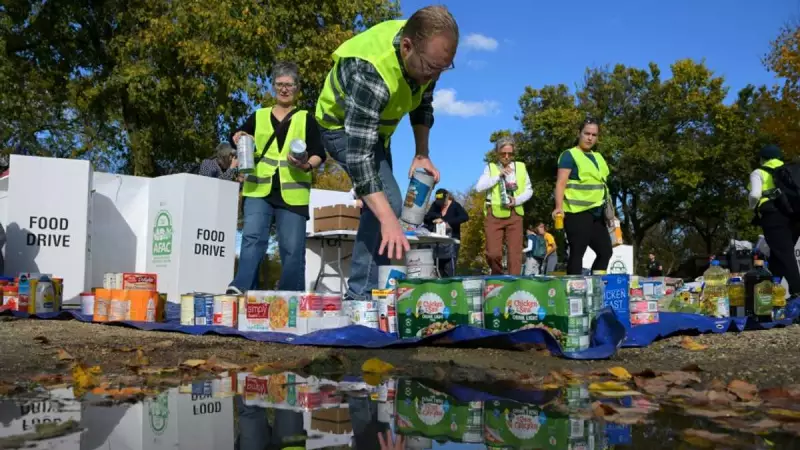
In the United States, a crucial government initiative continues to serve as a bulwark against hunger for an astonishing 40 million citizens. The Supplemental Nutrition Assistance Program (SNAP), commonly known as food stamps, represents one of the nation's most significant anti-hunger efforts.
The Scale of Food Assistance in America
Recent statistics reveal that approximately 40 million Americans rely on SNAP benefits to put food on their tables. This staggering number underscores the persistent challenge of food insecurity in one of the world's wealthiest nations. The program has become an essential safety net for families struggling to make ends meet.
How SNAP Transforms Lives
The food stamps program provides eligible low-income individuals and families with electronic benefits that can be used to purchase groceries at authorized retail stores. This assistance helps ensure that vulnerable populations, including children, elderly citizens, and people with disabilities, have access to nutritious food despite financial constraints.
Economic Impact Beyond Nutrition
Beyond addressing immediate hunger needs, SNAP benefits generate significant economic ripple effects. Every dollar in SNAP benefits generates between $1.50 and $1.80 in economic activity, supporting local grocery stores, farmers, and food producers while stabilizing communities during economic downturns.
Eligibility and Program Administration
Eligibility for SNAP is determined through a combination of income thresholds, household size, and specific circumstances. The program is administered by state agencies in partnership with the federal government, ensuring that assistance reaches those who need it most while maintaining program integrity.
Addressing Misconceptions
Despite common misconceptions, the majority of SNAP recipients who can work do work. Many beneficiaries are employed in low-wage jobs that don't provide sufficient income to cover basic living expenses, highlighting the program's role in supporting the working poor.
The Future of Food Assistance
As economic uncertainties persist and food prices continue to fluctuate, the role of SNAP in protecting Americans from hunger remains more critical than ever. Policy discussions continue around strengthening the program to better serve vulnerable populations while ensuring its long-term sustainability.
The ongoing importance of food stamps in the American social safety net demonstrates the nation's commitment to ensuring that no citizen goes hungry, regardless of their economic circumstances.




