
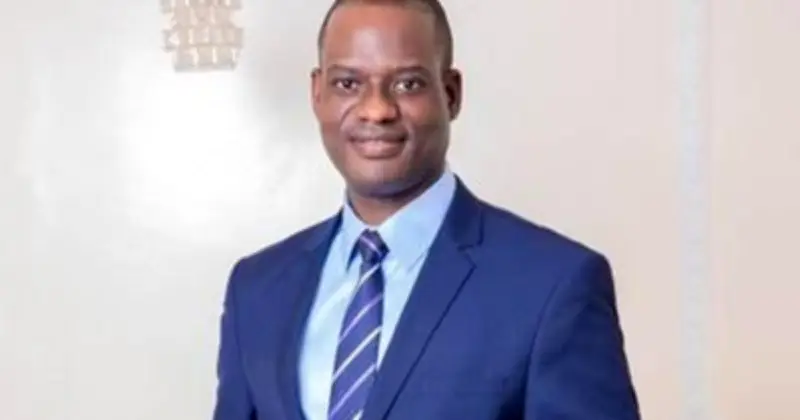
The Federal Government has finally answered one of the most persistent questions since the removal of petrol subsidies and the floating of the naira: where did the savings go? Finance Minister Taiwo Oyedele has revealed that the funds were not kept in any reserve account but were channeled into debt servicing, the new national minimum wage, student loans, and other critical obligations.
Speaking at the 7th African Emerging Markets Forum, organised by the Central Bank of Nigeria in Abuja on Thursday, Oyedele acknowledged that Nigerians deserve a transparent account of how the subsidy savings were utilised. He promised that a detailed breakdown would be released within days.
Why the savings were never meant to be a cash reserve
Oyedele explained that before the reforms, fuel and foreign exchange subsidies combined were costing Nigeria about five per cent of its Gross Domestic Product. However, he stressed that the primary goal of removing the subsidies was never to accumulate cash.
"But saving money was not the primary objective. It was eliminating the distortion and the corruption in the system, which is more fundamental," he said.
He also responded to growing calls for accountability, saying: "But where has the money gone to? In a few days, you will see the detailed analysis because we believe that we owe a duty to explain what we do to the Nigerian people. That's what transparency looks like."
Debt servicing consumed a huge chunk of the savings
One of the biggest destinations for the savings, according to the minister, was servicing Nigeria's escalating debt. He explained that before the reforms, the government funded some of its expenses by printing money through the central bank, a practice that kept interest rates low but worsened inflation.
"Many Nigerians will conclude that the reforms are not working for them. Some would even say it's a bad reform. What we do not normally compare is what would have been if the reforms were not carried out," Oyedele noted.
"Before the reforms, we were printing money to spend, the interest rates were about eight per cent, and the minimum wage was ₦30,000. If you just think about those three, those are big numbers," he continued. "If you stop printing, the spending doesn't disappear. You need to finance the money you were printing before. That was part of where the savings went."
With inflation surging after the reforms, interest rates rose sharply, making debt repayment far more expensive. "So instead of paying eight per cent on our debts, we were paying as high as 24 per cent. When you need to service debts, you do not debate whether you need to pay. You cannot negotiate it. You pay, and you pay on time," Oyedele explained.
New minimum wage nearly doubled the government wage bill
The finance minister also highlighted the implementation of the new national minimum wage as another major expense funded by the savings. The government increased the minimum wage from ₦30,000 to ₦70,000, dramatically raising its salary obligations.
"Minimum wage went up from N30,000 to N70,000. That's almost double the wage bill of the government," he stated.
NELFUND student loan scheme now supports 1.5 million students
Oyedele said a portion of the savings was also invested in the Nigerian Education Loan Fund, which currently supports more than 1.5 million students with tuition fees and monthly upkeep. This, he said, has eased the financial burden on parents who previously had to borrow or sacrifice other needs to pay school fees.
"A million households, the parents, no longer have to save, borrow, and be stressed just to pay the tuition. Now they can deploy those resources into their small businesses and to take care of other important basic needs," he said.
Government promises a full breakdown soon
The minister assured Nigerians that a comprehensive report showing exactly how much was saved and where the money was spent will be published in the coming days. "So what we need to do is we'll provide a detailed explanation of how much we saved and how the money has been spent," Oyedele said.
He defended the reforms as essential for fixing deep-rooted economic distortions, improving transparency, and making Nigeria more attractive to investors, despite the immediate pain faced by households.
Since President Bola Tinubu announced the removal of petrol subsidy in May 2023 and later allowed the naira to trade freely, Nigerians have experienced soaring fuel prices, higher transport costs, and record inflation. While government officials maintain that the reforms were necessary to prevent a deeper crisis, many citizens are still waiting for relief, and the promised breakdown will be scrutinised as a key test of the government's commitment to transparency.




