
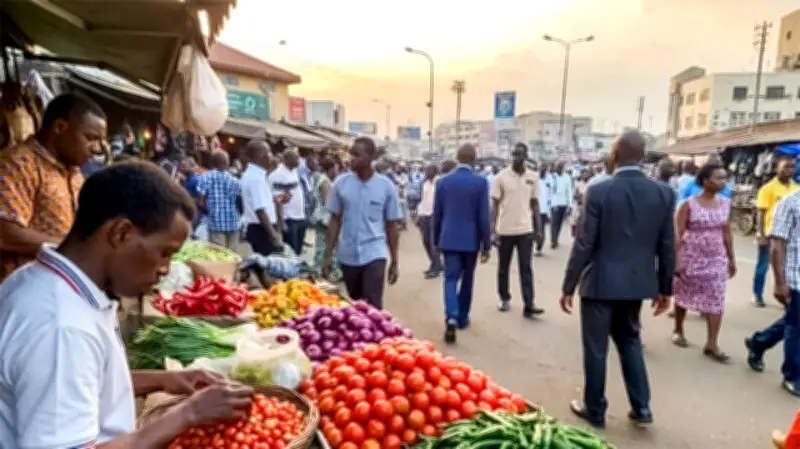
Inflation and the everyday struggle are taking a toll on Nigerians. According to a report by the Guardian Nigeria, the rising cost of living has altered daily life for millions. From transportation to food, electricity, healthcare, school fees, rent, and communication, what were once basic necessities have become luxuries. The average citizen faces enormous pressure to survive amid worsening inflation, shrinking purchasing power, and economic uncertainty.
The Nigerian Inflation Crisis
While inflation is a global phenomenon, Nigeria's experience is particularly severe due to fuel subsidy removal, exchange rate volatility, high transportation costs, insecurity in food-producing regions, and weak wage growth. Petrol now sells at nearly N1,400 per litre in some areas, significantly changing household economics and business sustainability. The consequences are visible everywhere: markets, offices, homes, schools, hospitals, and streets.
Transportation fares have more than tripled in many cities within a short period. Food inflation is alarming, with bread, eggs, cooking gas, yam, tomatoes, beans, and other staples rising beyond the reach of average Nigerians. Electricity tariffs and telecommunications costs have also increased, while rent in urban centres keeps climbing. Unfortunately, salaries and wages have not kept pace.
Many employees still earn wages negotiated years ago under different economic conditions. The value of those salaries has been severely eroded by inflation. In real terms, many workers are poorer today despite remaining employed. The salary structure can no longer support decent living standards for many households. Even professionals with stable employment struggle to meet basic obligations. Civil servants, teachers, artisans, small traders, entrepreneurs, and middle-income earners all feel the weight.
Psychological and Social Impact
For many families, survival now depends on borrowing, reducing consumption, postponing healthcare, or sacrificing savings. The psychological effect is troubling: economic pressure is affecting mental health, marriages, productivity, and social stability. Anxiety, frustration, depression, anger, and emotional exhaustion are common. Hardship fuels marital conflicts, domestic tension, and reduced emotional well-being. In workplaces, low morale and reduced concentration hurt productivity as employees struggle with transportation and feeding costs. Many live permanently in survival mode, uncertain about tomorrow.
Businesses are under pressure too. Rising operational costs threaten sustainability, especially for small and medium enterprises. Diesel prices, transportation, imported raw materials, electricity bills, taxation, and weak consumer spending have reduced profitability. Many businesses have downsized, reduced staff, or shut down. Others merely struggle to survive. The era when a single salary could comfortably sustain a family is disappearing.
Income Diversification: A Necessity
One clear lesson is that relying solely on one income source is increasingly risky. Economic realities require individuals to think beyond traditional salaries and embrace income diversification. Multiple streams of income are no longer optional but a necessity for financial survival. Families depending entirely on one monthly salary are highly exposed to economic shocks. Even regular employment no longer guarantees financial security.
Nigerians must intentionally explore additional income opportunities. This does not mean abandoning primary jobs, but creating alternative sources. Technology and digital platforms make this possible: social media, e-commerce, freelancing, online consulting, digital content creation, virtual training, and remote services offer opportunities. Many professionals can monetize their knowledge, experience, or talents through side engagements.
Passive income from agriculture, cooperative investments, real estate, dividend-paying stocks, mutual funds, and small-scale trading can cushion economic shocks. Land acquisition remains a reliable long-term store of value in Nigeria. Assets that appreciate over time provide financial protection against inflation.
Living Within Means
Living below one's means is no longer a choice but a practical necessity. The culture of excessive social competition and pressure to maintain appearances despite declining income can worsen financial stress. Economic survival requires financial honesty, discipline, and strategic planning.
In conclusion, current economic realities demand a shift in mindset, financial behaviour, and survival strategies. Fuel at N1,400 per litre affects transportation, food prices, school fees, healthcare, business operations, and quality of life. Inflation has redefined daily living. Building multiple income streams, improving financial literacy, embracing prudent spending, and investing for the future are necessary responses. Depending solely on salary income in today's Nigeria may no longer suffice. The earlier households adapt, the better positioned they will be to survive and thrive despite challenges.
Dr. Timi Olubiyi is an expert in Entrepreneurship and Business Management, holding a Ph.D. in Business Administration from Babcock University, Nigeria. He is a Chartered Member of the Chartered Institute for Securities and Investment (CISI) and a registered capital market operator with the Securities and Exchange Commission (SEC).




