
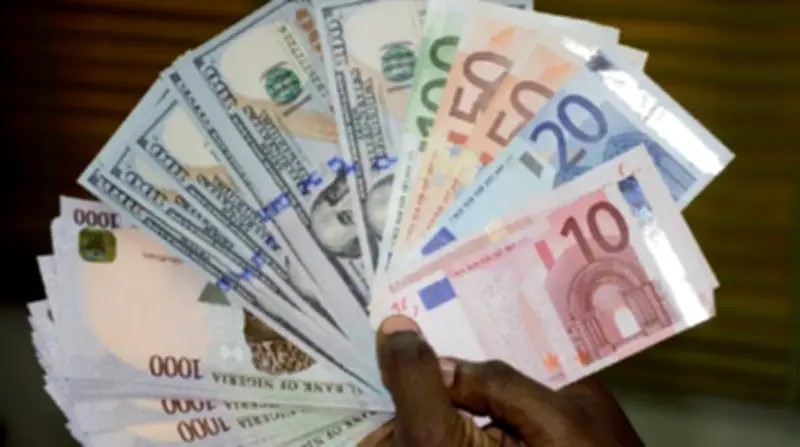
Nigeria's foreign exchange market recorded an unprecedented $4.4 billion in transactions over the past week, according to data from the FMDQ Securities Exchange. This surge has ignited intense speculation among analysts and market participants, with many pointing to so-called "mystery deals" as the primary driver behind the historic volume.
Record-Breaking Turnover Raises Eyebrows
The $4.4 billion figure represents the highest weekly FX turnover ever recorded in Nigeria, surpassing the previous record of $3.8 billion set in early 2022. The spike comes amidst ongoing reforms by the Central Bank of Nigeria (CBN) aimed at unifying exchange rates and attracting foreign capital. However, the opacity of these transactions has led to concerns about their origin and sustainability.
According to a senior analyst at Lagos-based investment firm WSTC Financial Services, Mr. Seyi Adedeji, "The volume is eye-catching, but the lack of transparency around some of these deals is worrying. It's unclear whether these are genuine capital inflows or speculative trades that could distort market fundamentals."
Mystery Deals and Market Speculation
Market sources indicate that a significant portion of the $4.4 billion turnover came from off-market or bilateral agreements not disclosed in the official FX window. These "mystery deals" have fueled rumors of government intervention or large-scale repatriation by multinational corporations. Some analysts suggest that the CBN may be using special windows to clear a backlog of demand, while others suspect speculative bets on a future naira devaluation.
The CBN has declined to comment on the specific nature of these transactions. However, in a statement released on Monday, the bank reiterated its commitment to price stability and market transparency. "The CBN continues to implement policies that promote a market-determined exchange rate and ensure orderly FX transactions," the statement read.
Impact on Naira and Investor Sentiment
The surge in FX turnover has had mixed effects on the naira. The official rate remained relatively stable at around N1,500 to the US dollar, while the parallel market rate widened slightly, indicating persistent demand pressures. Investors are watching closely for any signs that the CBN might ease its tight monetary stance or introduce new FX restrictions.
Dr. Funmi Ogunlesi, an economist at the University of Lagos, noted, "While the record turnover suggests improved liquidity, the underlying drivers remain unclear. If these are one-off or speculative deals, we could see a sharp contraction in future weeks, which might exacerbate volatility."
Reforms and Forward Guidance
The CBN has been gradually liberalizing the FX market since last year, closing the gap between official and parallel rates and allowing greater flexibility. Recent measures include the introduction of an electronic matching system and stricter reporting requirements for banks. However, the surge in mystery deals highlights the challenges of transitioning to a fully transparent market.
Some analysts argue that the $4.4 billion figure could be a sign of confidence in Nigeria's economic outlook. "Foreign portfolio investors are returning, and that's positive," said Mr. Adedeji. "But we need better data to know if these are real investments or just carry trades."
The CBN is expected to release detailed breakdowns of the turnover in its monthly report, which may shed light on the mystery deals. Until then, speculation is likely to continue dominating market narratives.




