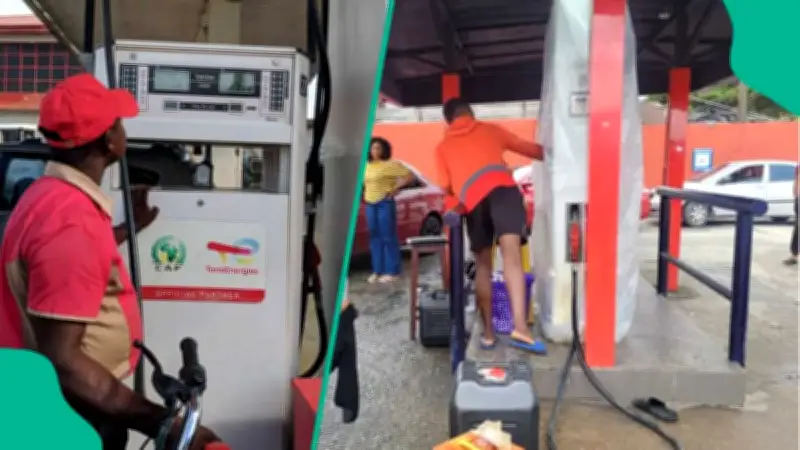
Nigeria's petrol price surged above N1,300 per litre in some areas before easing to around N1,200, while at least 94 countries have rolled out fuel subsidies and price-support measures to cushion the global energy crisis triggered by the US-Iran war, according to the International Energy Agency (IEA).
Global Response to Energy Crisis
The IEA said more than 115 countries have implemented measures to respond to the global energy shock, ranging from fuel price support and energy conservation to long-term policies aimed at reducing dependence on fossil fuels, as reported by Punch. The measures followed disruptions to energy flows through the Strait of Hormuz, a critical route for global oil and gas shipments, which triggered renewed volatility across international energy markets.
According to the IEA, 94 governments have adopted price-support measures, including fuel subsidies, price caps and tax interventions, while 58 countries have introduced energy conservation policies. Another 30 governments have announced structural measures designed to reduce fuel consumption over the longer term through energy efficiency programmes, electrification and renewable energy initiatives.
Demand-Side Measures and Country Examples
Jérôme Bilodeau, the IEA's head of analysis for its Office of Energy Efficiency and Inclusive Transitions, said demand-side measures could not replace the huge volume of energy normally transported through the strait but could help limit the impact of the disruption. Speaking during a webinar organised by the Centre for Strategic and International Studies, Bilodeau said several countries had introduced measures to cut oil consumption, including reducing private vehicle use, encouraging working and studying from home, limiting government travel and adjusting cooling temperatures.
He added that countries such as Japan and South Korea had adopted fuel subsidies and price caps, while Vietnam reduced taxes on electric vehicles and India promoted the use of electric cooking stoves.
Nigeria's Struggle with High Fuel Costs
Nigeria has also felt the effects of the global energy shock, with petrol prices rising above N1,300 per litre in some areas before easing to around N1,200. The higher energy costs have also increased transportation expenses, contributed to food price pressures and raised operating costs for businesses.
Industry stakeholders have therefore called on the government to introduce measures that can protect consumers without reversing ongoing petroleum sector reforms. The Petroleum Products Retail Outlets Owners Association of Nigeria (PETROAN) urged the government to reduce transportation costs and prevent higher fuel prices from worsening food inflation.
Its National President, Billy Gillis-Harry, said part of the gains from higher crude oil prices should be channelled towards cushioning Nigerians from the impact of the energy crisis. The Independent Petroleum Marketers Association of Nigeria (IPMAN) also advocated a reduction in taxes and other charges on petroleum products, arguing that such measures could help moderate pump prices.
Stakeholders Demand Domestic Solutions
The Lagos Chamber of Commerce and Industry called for greater investment in domestic refining and a faster transition towards alternative energy sources, describing the crisis as an opportunity to strengthen Nigeria's energy security. Similarly, Muda Yusuf, Director of the Centre for the Promotion of Private Enterprise, urged the government to provide fiscal incentives for domestic refiners while expanding investment in mass transportation.
Despite the growing calls for intervention, the Federal Government has maintained that a return to petrol subsidies or the introduction of price controls could undermine the reforms implemented in the petroleum sector. Petrol, which averaged about N830 per litre in February, has become significantly more expensive since the escalation of the Middle East crisis, leaving households and businesses to absorb much of the resulting economic pressure.