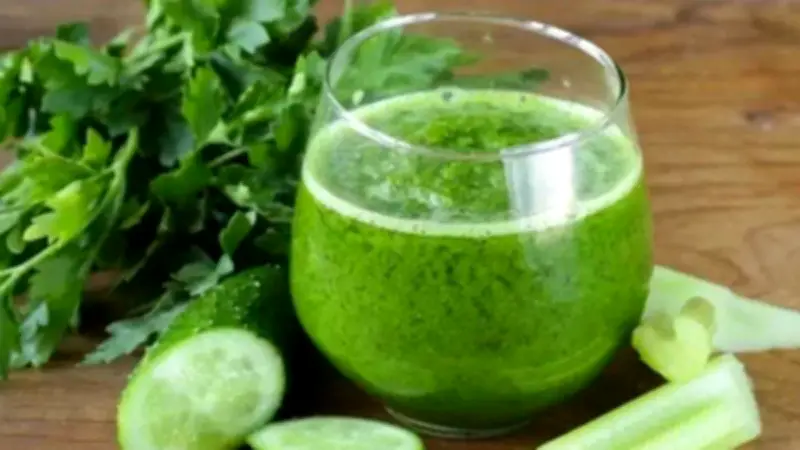
Bitter leaf's most powerful benefit is its ability to lower high blood pressure, thanks to a high potassium content that neutralises sodium in the bloodstream. Together, bitter leaf and scent leaf offer 15 proven health benefits, from cancer protection and liver cleansing to blood sugar control and improved fertility. This guide covers what each leaf does, how to use them safely, and whether you can combine them.
Key Takeaways and Benefits Overview
Bitter leaf contains flavonoids and saponins that reduce the risk of cancer, lower blood pressure, and cleanse the liver and kidneys. Scent leaf is rich in vitamin A and magnesium, supporting eyesight, heart function, and blood sugar control. Both leaves can be cooked together in soups and stews, but moderation is key to avoiding side effects such as gastrointestinal upset.
The benefits below are drawn from peer-reviewed research on Vernonia amygdalina (bitter leaf) and Ocimum gratissimum (scent leaf). Benefits are ordered by the strength of existing evidence and potential health impact.
- Bitter leaf: Lowers blood pressure (potassium, flavonoids), cleanses liver and kidneys (bitter glycosides), anti-tumour properties (sesquiterpene lactones), improves fertility (alkaloids, phytochemicals), supports weight management (saponins, flavonoids), relieves digestive complaints (antimicrobial compounds), anti-malarial support (sesquiterpene lactones), blood sugar management (alkaloids), anti-inflammatory (flavonoids, alkaloids), skin infection relief (antimicrobial compounds).
- Scent leaf: Maintains eyesight (vitamin A), improves heart function (magnesium, calcium), aids digestion (essential oils), lowers blood sugar (minerals, essential oils), mosquito repellent/anti-malaria (eugenol, camphor, terpenes), improves oral hygiene (eugenol), boosts fertility (arginine, oestrogen-regulating compounds), preserves food (tannins, eugenol), supports healthy pregnancies (folate, vitamins, minerals).
Detailed Benefits of Bitter Leaf
1. Lowering high blood pressure: Bitter leaf is one of the most effective natural sources of potassium for managing blood pressure. Potassium flushes excess sodium from the blood, preventing the spikes that raise blood pressure in hypertensive patients. Regular consumption, in soup or as a herbal drink, supports long-term cardiovascular health without the side effects associated with pharmaceutical interventions.
2. Cleansing the liver and kidneys: Bitter leaf acts as a natural body cleanser. Its bitter compounds stimulate the liver and kidneys to flush out toxins more efficiently, supporting healthy organ function.
3. Reducing the risk of cancer: Research on Vernonia amygdalina shows that bitter leaf contains sesquiterpene lactones, including vernolide and vernodalin, with documented anti-tumour activity. These compounds have shown the ability to inhibit tumour growth and stimulate immune responses in laboratory studies, particularly for gastric, prostate, and colon cancers.
4. Improving fertility: Bitter leaf contains phytochemicals that promote hormonal balance in both men and women. These compounds boost the immune system and support reproductive health. It is wise to check the benefits of bitter leaf and scent leaf in pregnancy before using these leaves if you are planning to, or are already expecting a baby. Make sure to consult a doctor if you are pregnant.
5. Supporting weight management: Bitter leaf's saponins bind cholesterol in the gut, preventing its absorption into the bloodstream. Its flavonoids support fat metabolism. Together these effects help the body clear excess cholesterol. You can incorporate bitter leaf into soups or blend the leaves into a juice.
6. Treating abdominal issues: Bitter leaf is a traditional remedy for stomach upset, diarrhoea, and dysentery. Its anti-inflammatory and antimicrobial properties soothe the gastrointestinal tract. Regular moderate consumption, as soup or herbal tea, can help manage chronic digestive complaints.
7. Supporting anti-malarial treatment: Bitter leaf has long been used as a supportive anti-malarial remedy across West Africa. Laboratory studies suggest extracts of Vernonia amygdalina have activity against Plasmodium parasites. It is used as a complementary remedy alongside medical treatment; not as a standalone cure.
8. Managing blood sugar levels: Bitter leaf may help lower blood glucose and protect the pancreatic islets that produce insulin from damage. This makes it potentially beneficial for managing type 2 diabetes. It should complement, not replace, prescribed diabetes medication.
9. Reducing inflammation: Bitter leaf's flavonoid content reduces inflammation throughout the body. Chronic inflammation is a contributing factor in arthritis, cardiovascular disease, and metabolic disorders. Regular moderate consumption may provide mild anti-inflammatory support as part of a balanced diet.
10. Relieving skin infections: Applied topically or taken as a tea, bitter leaf's antimicrobial compounds can help relieve minor skin infections and wounds. It is a traditional remedy for rashes, skin irritation, and superficial bacterial conditions. Always clean the affected area before application.
Detailed Benefits of Scent Leaf
1. Maintaining good eyesight: Scent leaf is rich in vitamin A, the essential nutrient for eye health. Vitamin A helps form rhodopsin, the light-absorbing molecule in the retina that enables vision in low light and colour perception. Regular intake as a food seasoning or tea supports long-term eyesight maintenance.
2. Improving heart function: Scent leaf is high in magnesium and calcium, minerals that support healthy circulation. These compounds reduce LDL (bad) cholesterol levels, improve blood flow, and help prevent coronary artery disease.
3. Aiding proper digestion: Scent leaf relieves bloating, heartburn, and bowel irregularity. Its essential oils have a calming effect on the gastrointestinal tract. Adding scent leaf to meals or drinking it as a tea promotes timely digestion and eases stomach discomfort.
4. Lowering blood sugar levels: Scent leaf helps regulate blood sugar and may protect the pancreatic islets that produce insulin from oxidative damage. This is particularly beneficial for non-insulin-dependent diabetes patients. Use it as a tea or regular cooking ingredient.
5. Repelling mosquitoes and preventing malaria: Scent leaf contains eugenol, camphor, and other terpene compounds that insects find repellent. One can place the leaves near the insect-prone areas to repel them, including farms and kitchen gardens. This is one of the traditional malaria-prevention strategies used across Nigeria and West Africa.
6. Improving oral hygiene: Chewing scent leaf stems kills bacteria in the mouth and combats bad breath and tooth decay. Scent leaf tea can also be used as a gargle for sore throats. Eugenol, the same antiseptic compound used in dental preparations, gives scent leaf its distinctive aroma and antibacterial action.
7. Boosting male and female fertility: Scent leaf contains arginine, an amino acid that supports male reproductive function and penile health. Scent leaf compounds may also support oestrogen regulation in women. Both effects contribute to improved fertility with regular moderate consumption.
8. Preserving food: The antimicrobial properties of scent leaf, particularly from eugenol and tannins, make it effective for natural food preservation. Its ethanol extracts prevent the growth of bacteria and fungi that cause food spoilage, extending the shelf life of perishable ingredients.
9. Supporting healthy pregnancies: Scent leaf is rich in folate and vitamins required during pregnancy. It helps boost immunity, relieve cramps, and ease headaches for both mother and unborn baby. Pregnant women should use it in culinary quantities only and consult their doctor before using it medicinally.
Cooking and Combining the Leaves
Yes, you can cook bitter leaf and scent leaf together. Both are common ingredients in Nigerian soups and stews, and combining them intensifies their flavour and nutritional profile. To cook them together safely:
- Wash both leaves thoroughly to remove dirt.
- Squeeze bitter leaf in lightly salted water and rinse until the bitterness is reduced to taste.
- Add bitter leaf early in the cooking process, it takes longer to soften.
- Add scent leaf only in the final 2–3 minutes, overcooking destroys its essential oils and much of its nutritional value.
- Use together in soups such as bitter leaf soup (ofe onugbu) or in stews.
Note: Both leaves are potent in large quantities. Combining them may intensify any side effects. Stick to culinary amounts, a handful of each per pot, rather than medicinal doses.
Combining scent leaf and onions creates a synergistic anti-inflammatory and antimicrobial pairing. Both are staple ingredients in Nigerian cooking, used together for flavour and health support. Key benefits of the combination include: anti-inflammatory (quercetin in onions and eugenol in scent leaf together reduce inflammatory markers), antimicrobial (both have independent antibacterial properties, combined they address a broader range of pathogens), heart health (onions help lower blood pressure; scent leaf improves circulation, a complementary cardiovascular effect), digestive aid (together they stimulate digestive enzymes, ease bloating, and improve gut motility), and blood sugar support (both have been studied for blood-glucose-lowering effects). Use them fresh together in salads, blend into a green drink, or add both to soups and stews for maximum benefit.
Preparation Methods and Nutritional Riches
Scent leaf can be prepared as a natural antimicrobial remedy for mild infections. As a tea (internal infections — digestive, respiratory): wash a handful of fresh scent leaves thoroughly, boil in two cups of water for 5–10 minutes, strain and allow to cool to drinking temperature, drink one cup twice daily. As a gargle (throat and oral infections): prepare scent leaf tea as above, allow to cool to a comfortable temperature, not hot, gargle for 30–60 seconds, then spit out, repeat twice daily until symptoms ease. As a topical wash (minor skin infections): crush or blend fresh leaves to extract the juice, apply directly to the cleaned, affected skin area, leave for 15–20 minutes, then rinse with clean water, repeat twice daily. Important: Scent leaf is a complementary remedy. It should not replace prescribed antibiotics or antifungals. See a doctor if symptoms persist, worsen, or involve fever.
Bitter leaf (Vernonia amygdalina) contains vitamins A, B, C, and E, plus minerals including iron, calcium, potassium, zinc, and magnesium. Flavonoids are the antioxidants of the plant world. They combat free radicals linked to chronic diseases such as hypertension, diabetes, and cancer. Saponins are compounds that bind cholesterol in the gut, preventing its absorption into the bloodstream and aiding its elimination. Scent leaf (Ocimum gratissimum) contains similar vitamins and minerals, with additional beneficial compounds: tannins are natural preservative compounds with astringent and anti-inflammatory properties; eugenol is an antiseptic alcohol-like compound that gives scent leaf its distinctive aroma and provides wound-healing and antibacterial benefits.
To use bitter and scented leaves without losing their goodness, keep leaves fresh whenever possible, as heat degrades essential oils. Boil bitter leaf for no more than 10 minutes; boiling reduces bitterness and makes active compounds easier for the body to absorb, but prolonged boiling beyond 10 minutes degrades beneficial nutrients. Add scent leaf in the final minutes of cooking to preserve essential oils. Use fresh leaves in salads for maximum nutritional value, blend fresh leaves and drink immediately as juice, or make tea by soaking fresh leaves in hot water for 10 minutes, then strain.
Side Effects, Precautions, and FAQ
Excessive intake of bitter leaf can cause gastrointestinal irritation (nausea, vomiting, diarrhoea), reduced appetite, and in very high doses, effects on the central nervous system. Normal quantities used in cooking, in soups or herbal drinks, are generally safe for healthy adults. Animal studies suggest that very high doses of scent leaf may be linked to liver issues. Human studies remain limited, and results from animal models cannot be directly applied to human metabolism. Use scent leaf in culinary quantities to minimise risk. Who should limit or avoid medicinal doses: pregnant women (consult a doctor before medicinal use), people on blood pressure or diabetes medication (both leaves can affect these conditions), and people with liver conditions (high doses of scent leaf may be harmful).
Frequently asked questions include: Can I mix bitter leaf and scent leaf together? Yes, both can be cooked together in soups and stews, providing a broader range of nutrients and health benefits. Use culinary quantities and avoid high medicinal doses of both at once, as the combined effect may intensify side effects. What are the benefits of drinking scent leaf water? It may improve digestive health, help with respiratory issues, lower blood sugar, and provide mild antimicrobial support. Drink one cup daily, in moderation, and avoid using it as a replacement for prescribed treatment. Is it good to boil bitter leaf before drinking? Yes, boiling for up to 10 minutes reduces bitterness and helps release active compounds, but avoid boiling longer than 10 minutes as prolonged heat degrades key nutrients including vitamins. What diseases can scent leaf help with? It is used as a supportive remedy for malaria prevention (as a mosquito repellent), digestive disorders, respiratory infections, oral infections, and elevated blood sugar. It is not a cure, always use it alongside proper medical treatment. What diseases are treated with bitter leaf? It is used traditionally to support management of high blood pressure, malaria, diabetes, liver conditions, and digestive disorders. Laboratory studies also show anti-tumour properties. It is a complementary remedy, not a standalone cure for any condition. Is it good to drink bitter leaf every day? No, daily consumption over extended periods increases the risk of adverse side effects. Moderation is key, use bitter leaf several times a week rather than daily, and take breaks. Can scent leaf be used for deworming? Yes, scent leaf has traditional use as a deworming agent in animals, and its antimicrobial compounds may have antiparasitic properties. Human evidence is limited, consult a doctor before using it for this purpose.
Bitter leaf and scent leaf are nutritional powerhouses that beautifully bridge the gap between ancestral tradition and modern wellness. While they offer fantastic antioxidant, digestive, and culinary benefits, they are best enjoyed as flavorful additions to a balanced diet rather than miracle cures. Savor them wisely in your favorite soups and teas, keeping medical advice front and center. This article is intended for general informational purposes only and does not address individual circumstances. It is not a substitute for professional advice or help and should not be relied on to make decisions of any kind. Any action you take upon the information presented in this article is strictly at your own risk and responsibility.