Nigeria Rejects IMF Bailout, Affirms Commitment to Domestic Economic Reforms
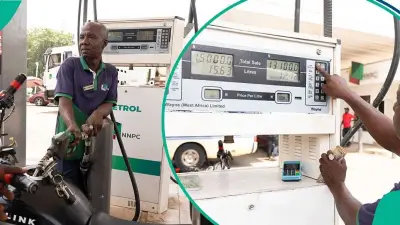
Nigeria has officially declined to seek a fresh bailout from the International Monetary Fund (IMF), even as ongoing conflicts in the Middle East drive Premium Motor Spirit (PMS) prices above N1,300 per litre. This stance was articulated by the Minister of Finance and Coordinating Minister of the Economy, Wale Edun, during the 2026 Spring Meeting of the World Bank and IMF in Washington DC. Edun reiterated the government's unwavering confidence in Nigeria's internally driven economic recovery plan, which aims to rebuild the nation's financial stability without external intervention.
Government's Firm Stance on Economic Policies
In a statement released by Efe Ovuakporie, head of the Information and Public Relations Unit at the ministry, Edun emphasized that Nigeria has consistently pursued market-led policies over the past two years. He highlighted that the administration has resisted administrative controls, particularly in foreign exchange management and petroleum pricing, to foster a more credible and resilient economic framework. The minister declared, "The direction is clear. Nigeria is staying the course with internally driven reforms rather than turning to multilateral financing." However, Edun cautioned that while Nigeria's economic outlook is improving, many African economies remain vulnerable to external shocks and require coordinated international support, referencing discussions around a proposed $50 billion global assistance package.
Ambassador's Assurance on Reform Continuity
Concurrently, Nigeria's Ambassador and Permanent Representative to the United Nations, Jimoh Ibrahim, assured international stakeholders that President Bola Ahmed Tinubu will not reverse the administration's economic reforms, despite current hardships. Speaking at a parliamentary session alongside the IMF/World Bank meetings, Ibrahim stressed that these reforms, though painful in the short term, are essential for long-term growth and national prosperity. He linked global economic stability to peace in the Middle East, noting that disruptions around Iran and the Strait of Hormuz could severely impact oil-dependent economies worldwide. "No country can achieve significant economic development this year or thereafter until we jointly secure peace in the ongoing tensions involving Iran," he warned, highlighting the corridor's role in transporting over 25% of global seaborne oil.
Economists Analyze Q1 Performance and Risks
Economists provided insights into Nigeria's economic performance during the first quarter of 2026 at the European Business Chamber (Eurocham) Nigeria CEO Session in Lagos. Chief Economist at PwC Nigeria, Olusegun Zaccheaus, noted that the economy showed resilience despite external and domestic shocks, with monetary stability and evolving fiscal conditions. However, he identified key challenges:
- Persistent insecurity damaging Nigeria's global image and elevating sovereign risk.
- Uneven sectoral growth, with oil and gas outperforming manufacturing.
- Ongoing pressure on consumers and businesses.
Zaccheaus projected a stronger economic performance in 2026 compared to 2025, urging the government to maintain policy consistency and improve the investment climate. Chief Economist of First Bank Group, Chinwe Egwim, described the macroeconomic environment as stabilizing but influenced by global oil price fluctuations, which boost government revenues while straining households. She noted improved liquidity in the financial system since Q3 2025 but cautioned that small and medium-sized enterprises still face documentation and lending hurdles.
International Collaboration and Future Prospects
General Manager of Eurocham Nigeria, Chigozie Okwara, emphasized the importance of new reforms in taxation and economic planning, with initiatives to enhance European-Nigerian collaboration and technology transfer. Director Hamza Al-Assad of the European Bank for Reconstruction and Development (EBRD) highlighted Nigeria's 2025 membership, with the bank focusing on sectors like infrastructure and energy to drive sustainable investment. Ibrahim concluded by advocating for stronger international parliamentary cooperation, noting that his transition to UN ambassador marks a new phase in diplomatic efforts. Overall, Nigeria's rejection of IMF support underscores a strategic pivot towards self-reliant economic management amid global uncertainties.