Nigeria's National Debt Skyrockets to ₦159 Trillion: A Comprehensive Analysis
Nigeria's total public debt has reached a staggering ₦159.27 trillion by the end of 2025, according to the latest figures from the Debt Management Office (DMO). This monumental figure translates to approximately ₦724,000 for every Nigerian citizen, based on the country's estimated population of 230 million people. While this per capita calculation doesn't represent an individual bill, it highlights the immense financial burden carried collectively by the nation.
The Composition of Nigeria's Debt Portfolio
The ₦159 trillion debt comprises two primary components that reflect both domestic and international borrowing strategies:
- Domestic Debt: Accounting for over ₦81 trillion, this represents money borrowed from within Nigeria through instruments like treasury bills and bonds purchased by local banks and investors.
- External Debt: Totaling roughly ₦71 trillion, this consists of obligations to international lenders including the World Bank, International Monetary Fund (IMF), and foreign private creditors. This portion is particularly sensitive to currency fluctuations as it's often denominated in US dollars.
How Citizens Indirectly Bear the Debt Burden
While Nigerians won't receive direct bills for their ₦724,000 share, they experience the debt's impact through several indirect mechanisms:
- Inflationary Pressures: Government strategies to manage debt, including currency devaluation and money printing, contribute to rising prices for goods and services.
- Infrastructure Deficits: Every naira allocated to debt servicing represents funds diverted from critical infrastructure projects, educational improvements, and healthcare enhancements.
- Taxation Increases: As the government seeks revenue sources for debt repayment, citizens face expanding tax regimes affecting everything from digital transactions to luxury purchases.
The Debt Trajectory: Presidential Administrations from 1999 to 2026
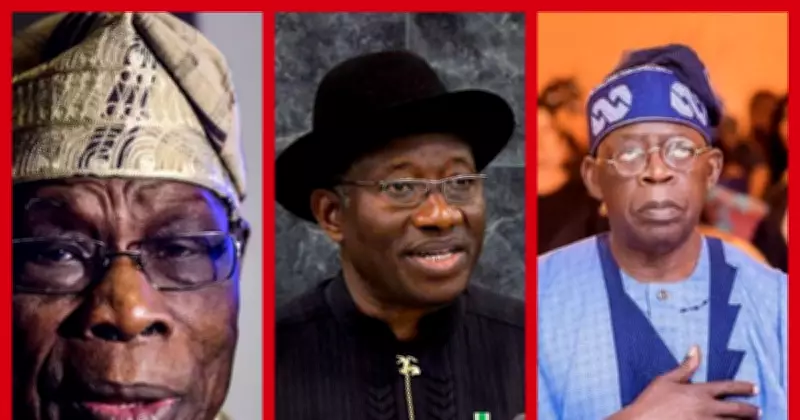
Nigeria's debt accumulation has followed distinct patterns across different presidential administrations, revealing evolving economic strategies and challenges:
Olusegun Obasanjo (1999-2007)
President Obasanjo inherited approximately ₦3.55 trillion in debt and achieved the remarkable distinction of leaving office with ₦2.42 trillion—the only administration to significantly reduce Nigeria's debt burden. His administration secured an $18 billion debt write-off from the Paris Club in 2005 through strategic negotiations and partial repayments.
Umaru Musa Yar'Adua (2007-2010)
During his abbreviated tenure, President Yar'Adua oversaw a return to borrowing, increasing the national debt from ₦2.42 trillion to approximately ₦4.94 trillion. This ₦2.52 trillion increase primarily supported economic stabilization efforts during the 2008 global financial crisis.
Goodluck Jonathan (2010-2015)
The Jonathan administration witnessed debt more than doubling from ₦4.94 trillion to ₦12.60 trillion, despite relatively favorable oil prices during this period. This ₦7.66 trillion expansion was driven by increased recurrent spending and Nigeria's initial major entries into international Eurobond markets.
Muhammadu Buhari (2015-2023)
President Buhari's administration experienced the most dramatic debt escalation in Nigeria's history, with obligations soaring from ₦12.60 trillion to ₦87.38 trillion—a staggering 600% increase representing approximately ₦74.7 trillion in new borrowing. This period included two economic recessions, the COVID-19 pandemic response, and the controversial conversion of ₦22.7 trillion in Central Bank "Ways and Means" advances into formal long-term debt.
Bola Ahmed Tinubu (2023-Present)
As of April 2026, Nigeria's debt stands at ₦159.28 trillion, representing an increase of approximately ₦71.9 trillion from the ₦87.38 trillion inherited by the Tinubu administration. While borrowing continues, this substantial jump reflects both new obligations and mathematical adjustments in debt accounting.
The Core Challenge: Revenue Generation Versus Borrowing
Nigeria's fundamental debt problem stems from insufficient revenue generation relative to economic size and borrowing needs. With a debt-to-GDP ratio hovering between 36-39%—below many international thresholds—the country faces a paradoxical situation where manageable ratios mask severe revenue constraints.
This creates a cyclical pattern where limited income necessitates additional borrowing, while debt servicing consumes substantial portions of available revenue. The 2026 budget exemplifies this challenge, allocating ₦15.8 trillion for debt servicing alongside a projected deficit exceeding ₦31 trillion that will require further borrowing.
Until Nigeria achieves sustainable revenue growth that outpaces borrowing requirements, citizens will continue experiencing the economic consequences through inflationary pressures, infrastructure limitations, and expanding tax obligations. The nation's debt trajectory from 1999 to 2026 illustrates both the compounding nature of this challenge and the urgent need for comprehensive fiscal reforms.